You have decided to invest in architectural visualization for your project. Good decision. But what happens next? The process of commissioning a visualization studio - from first contact to final delivery - involves decisions that directly affect the quality, cost, and timeline of your results. This guide covers everything you should know before signing a contract, based on real experience from the DACH market.
Key takeaway: The success of an architectural visualization project is determined 80% before the first pixel is rendered. Clear briefings, realistic timelines, and the right studio selection make the difference between outstanding results and expensive disappointment.
Step 1: Define What You Need
Before contacting any studio, get clear on your requirements. This sounds obvious, but it is the step most clients rush through - and the one that causes the most problems later.
What types of visualizations do you need?
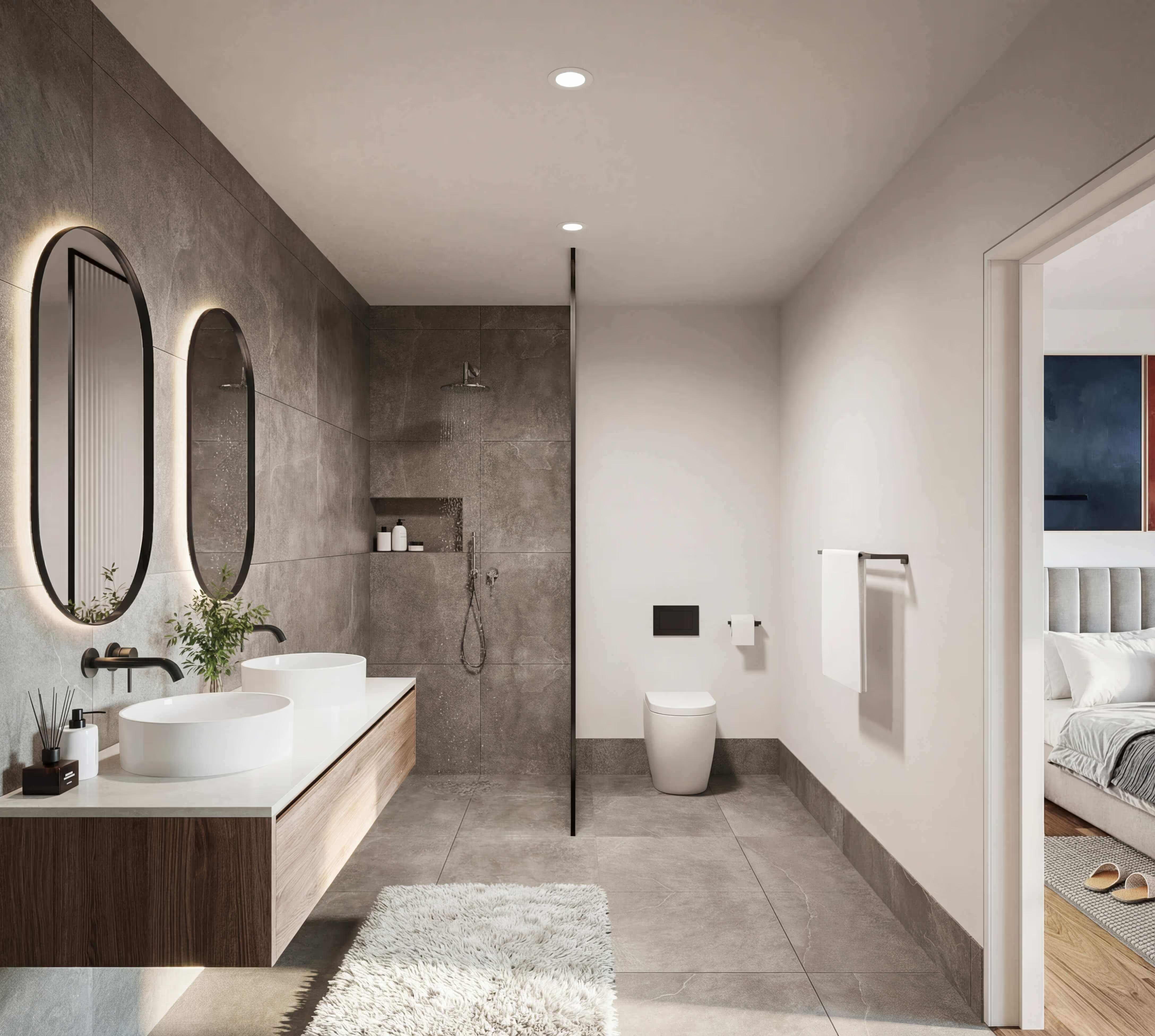
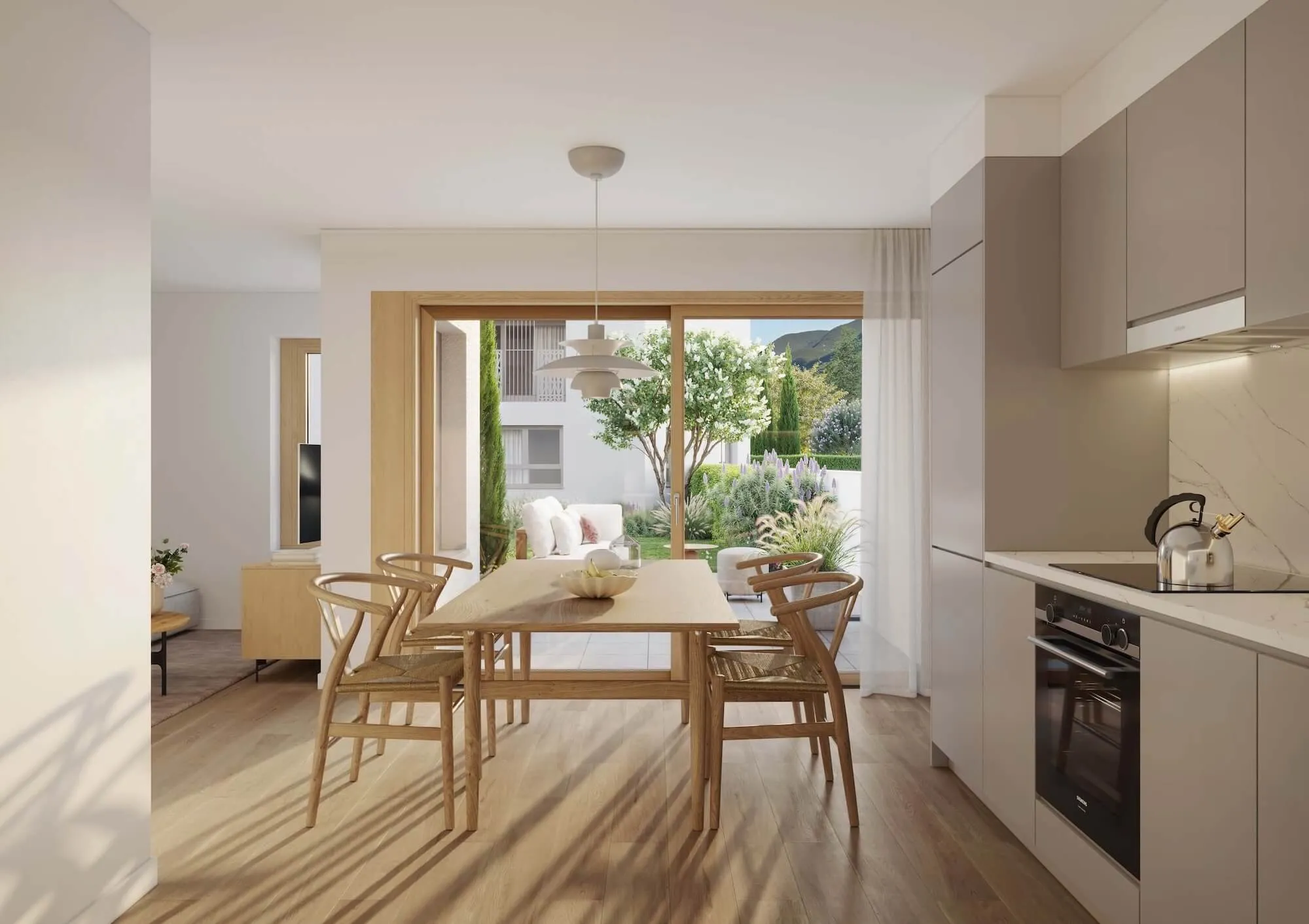
Start with the end use. What marketing channels will these visuals serve? A project website needs hero-quality exterior renderings. A sales brochure needs a mix of exteriors, interior renderings, and 3D floor plans. Social media campaigns benefit from dynamic content like short CGI animations. Property portal listings need 360-degree virtual tours and high-resolution stills.
Define the scope early: how many exterior views, how many interior views, which rooms, which apartment types, and whether you need additional formats like animations or interactive tours. A clear scope prevents scope creep and budget surprises.
What is your timeline?
Realistic timelines prevent both rush surcharges and quality compromises. For a standard visualization package (3-5 exterior renderings, 5-8 interior renderings, floor plans), plan for 3-5 weeks from briefing to final delivery. More complex projects with animations can take 6-8 weeks. For a detailed understanding of typical timelines, see our visualization timeline guide.
What is your budget?
Having a rough budget range helps studios propose the right scope and quality level. If your budget is EUR 5,000, the studio can suggest the most impactful combination of deliverables within that range. If your budget is EUR 20,000, the scope and quality expectations shift accordingly. Transparency about budget prevents wasted time for both parties.
Step 2: Choose the Right Studio
Studio selection is arguably the most important decision in the entire process. The DACH market offers a wide spectrum - from freelancers to large agencies, from generalists to architecture specialists. Here is how to evaluate.
Portfolio alignment
Look for a portfolio that matches your project type and quality expectations. A studio that excels at residential visualization may not be the best choice for an industrial project. Look specifically for projects similar to yours in scale, style, and complexity. For a systematic approach to this evaluation, use our studio selection checklist.
Communication and process
The studio's communication style during the inquiry phase predicts their behavior during the project. Do they ask detailed questions about your project? Do they explain their process clearly? Do they provide a structured timeline and milestone plan? Studios that rush to give you a price without understanding your project are likely to deliver generic results.
Technical capability
What render engine does the studio use? What software stack do they work with? For architecture visualization, the standard professional tools include 3ds Max, Cinema 4D, or Blender for modeling, combined with V-Ray, Corona Renderer, or Unreal Engine for rendering. Our render engine comparison explains the differences and what they mean for your results.
Location and language
For DACH market projects, working with a DACH-based studio offers significant advantages. They understand local architectural styles, building regulations, material preferences, and market expectations. Communication in German eliminates translation issues and cultural misunderstandings. While offshore studios may offer lower prices, the savings often evaporate in additional revision rounds and briefing misalignment.
"We tried working with a studio in Southeast Asia to save costs on our Vienna project. The price was 60% lower, but after four revision rounds where we tried to explain typical Austrian building details, balcony designs, and neighborhood character, we ended up spending more than we would have with a local studio. We never made that mistake again."
Red flags to watch for: Unrealistically low prices, no clear revision policy, no portfolio of comparable projects, reluctance to provide references, and pressure to sign quickly without a proper briefing discussion.
Step 3: Prepare Your Briefing Materials
The quality of your briefing directly determines the quality of the output. Here is what a professional visualization studio needs from you.
Architectural plans. Provide floor plans, elevations, sections, and site plans in DWG, DXF, or high-resolution PDF format. The more detailed and current these plans are, the more accurate the visualization will be. If plans are still being finalized, communicate which elements are confirmed and which may change.
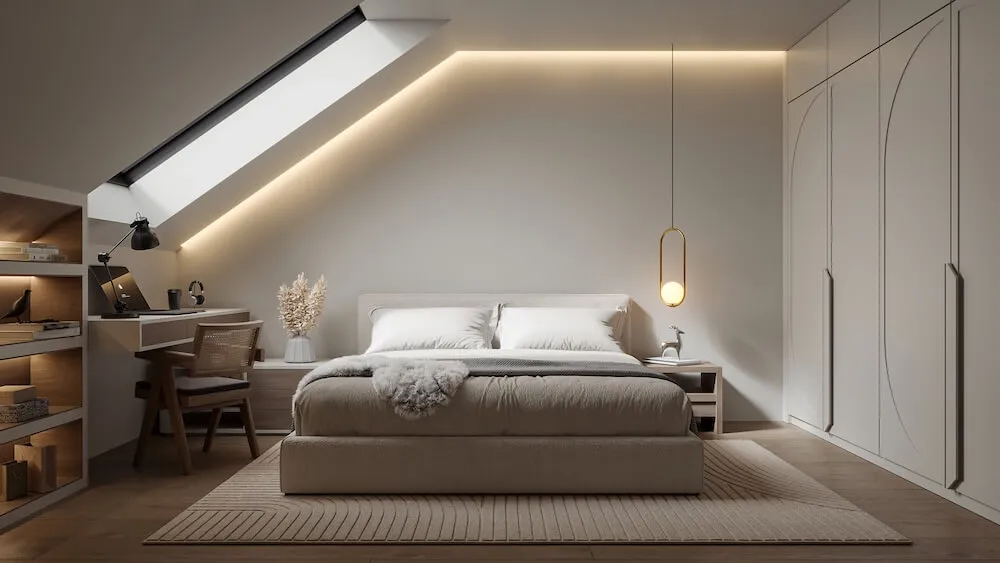
Material specifications. What flooring, wall finishes, facade materials, window frames, and fixtures are planned? If these decisions have not been made yet, provide a style direction and reference images. The studio can then propose materials that match the intended aesthetic.
Reference images. Collect 5-10 images that represent the visual style you want - from other projects, architecture magazines, or even competitors. Reference images are the most efficient way to communicate mood, lighting style, and quality expectations. They eliminate ambiguity in ways that words alone cannot.
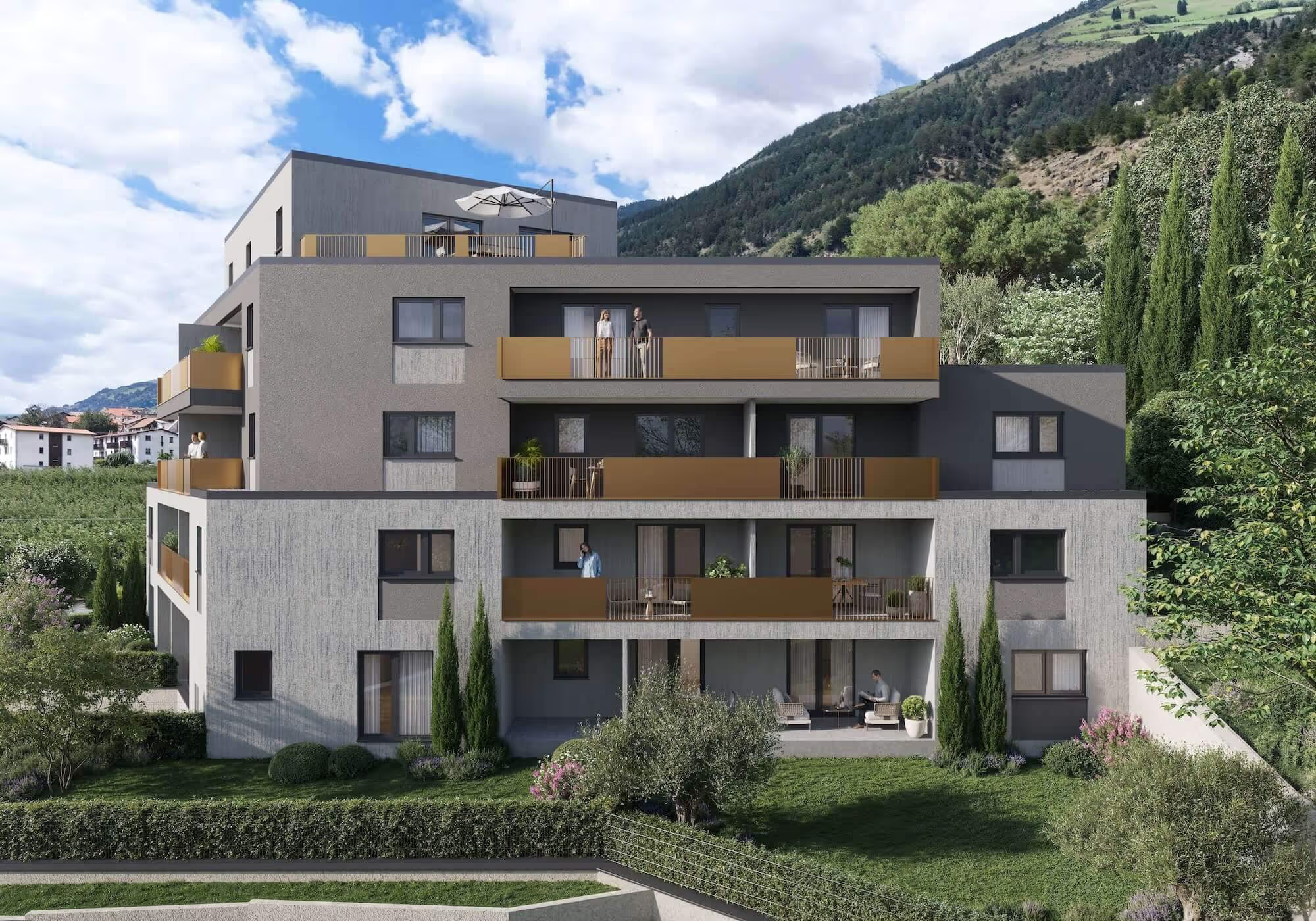
Site context. For exterior renderings, provide information about the surrounding environment. Google Maps screenshots, site photos, neighboring buildings, existing landscaping, and planned landscape design all help the studio create a realistic context. Studios like TwoBuild integrate real geographic data to ensure exterior visualizations accurately represent the building's environment.
Target audience. Who will see these visualizations? Young urban professionals looking at apartments in Vienna? Families searching for homes in suburban Graz? International investors evaluating a hotel project in Tyrol? The target audience influences furniture style, lighting mood, and overall aesthetic direction.
Step 4: Understand the Production Process
A professional visualization project follows a structured workflow with clear milestones. Understanding this process helps you provide timely feedback and avoid delays.
Briefing and planning (Days 1-3): The studio reviews your materials, asks clarifying questions, and proposes a project plan with deliverables, timeline, and pricing. This is the time to align expectations and resolve any ambiguities.
3D modeling and scene setup (Days 3-10): The studio builds the 3D model of your building and its environment. During this phase, they may share clay renders (uncolored 3D views) or wireframes to confirm the building geometry and camera angles before proceeding to detailed work.
First draft delivery (Days 10-15): You receive initial renderings for review. These may have slight imperfections but should accurately represent the composition, camera angle, lighting mood, and overall direction. This is your most important feedback moment - changes at this stage are efficient and inexpensive.
Revisions (Days 15-20): Based on your feedback, the studio makes adjustments. Most contracts include 2-3 revision rounds. Keep feedback specific and consolidated - sending one comprehensive feedback document is far more efficient than drip-feeding individual comments over several days.
Final delivery (Days 20-25): The studio delivers final high-resolution files in the agreed formats. Typical deliverables include print-resolution images (300 DPI, TIFF or PNG), web-optimized versions (JPEG), and raw files or layered PSDs if requested.
Step 5: Manage the Relationship
The best visualization results come from ongoing relationships rather than one-time transactions. Developers who work with the same studio across multiple projects benefit from accumulated understanding of their brand, style preferences, and quality standards.
Give clear, consolidated feedback. Avoid vague comments like "make it look better" or "I do not like the mood." Instead, be specific: "The living room feels too dark - can we increase natural light from the south-facing window?" or "The facade material should be lighter, closer to this reference image." Specific feedback leads to faster, more accurate revisions.
Respect the revision policy. If the contract includes 2 revision rounds, use them wisely. Gather all feedback from all stakeholders before submitting each round. Sending multiple small rounds of feedback - or requesting changes that contradict earlier approvals - extends timelines and may incur additional costs.
Trust the studio's expertise. Professional visualization artists have an eye for composition, lighting, and material aesthetics. If the studio suggests a different camera angle or lighting approach than you envisioned, hear them out - their recommendation may produce a more compelling result. The best outcomes come from a collaborative dynamic where both parties contribute their expertise.
"The biggest lesson we learned was to trust our studio's creative judgment. In our first project, we insisted on specific camera angles that we thought would look good. The results were technically correct but artistically flat. In subsequent projects, we gave the studio creative freedom within our brief, and the results were dramatically better."
Common Mistakes When Commissioning Visualizations
Based on years of experience in the DACH market, these are the most frequent mistakes clients make - and how to avoid them.
Starting too late. The most common mistake by far. Developers who begin the visualization process 2 weeks before their marketing launch face rush surcharges, compromised quality, and enormous stress. Start 4-8 weeks before you need the final materials. For our full guide on avoidable pitfalls, see common visualization mistakes.
Choosing on price alone. The cheapest studio is rarely the best value. A rendering that does not meet your quality standards or requires 5 revision rounds costs more in the end than a premium studio that delivers right the first time. Evaluate total value - quality, reliability, communication, and revision efficiency - not just the initial quote.
Incomplete briefings. Missing floor plans, undefined materials, and vague style direction force studios to make assumptions. Some of these assumptions will be wrong, leading to revision rounds that could have been avoided with a complete briefing. Invest time upfront to save time (and money) later.
Too many cooks. When feedback comes from multiple stakeholders with conflicting opinions, projects stall. Designate one person as the primary contact who consolidates all feedback before submitting it to the studio. This single-point-of-contact approach is the standard in professional project management for good reason.
Ignoring the studio's expertise. Some clients micromanage every aspect of the visualization, from exact camera coordinates to specific furniture models. While input is valuable, excessive control prevents the studio from applying their professional judgment - which is precisely what you are paying for.
What to Expect After Delivery
Once your visualizations are delivered, the work is not over. Here is how to maximize their impact.
Use them everywhere. Your renderings should appear on your project website, all property portal listings, social media channels, print materials, email campaigns, and sales office displays. Each additional use increases the ROI of your visualization investment without additional cost.
Plan for updates. If the project changes - material updates, design modifications, additional buildings - your studio can update existing renderings more efficiently than creating new ones from scratch. Maintain a relationship with your studio for future updates.
Measure impact. Track how visualization-enhanced listings perform compared to previous projects without visualization. Monitor engagement metrics, inquiry rates, time to sale, and pre-sale rates. This data justifies future visualization investments and helps optimize your marketing strategy.
Commissioning architectural visualization is a significant investment - and like any investment, its returns are maximized when approached with preparation, clear communication, and the right partners. Whether you are working on your first project or your twentieth, these principles consistently deliver the best results.
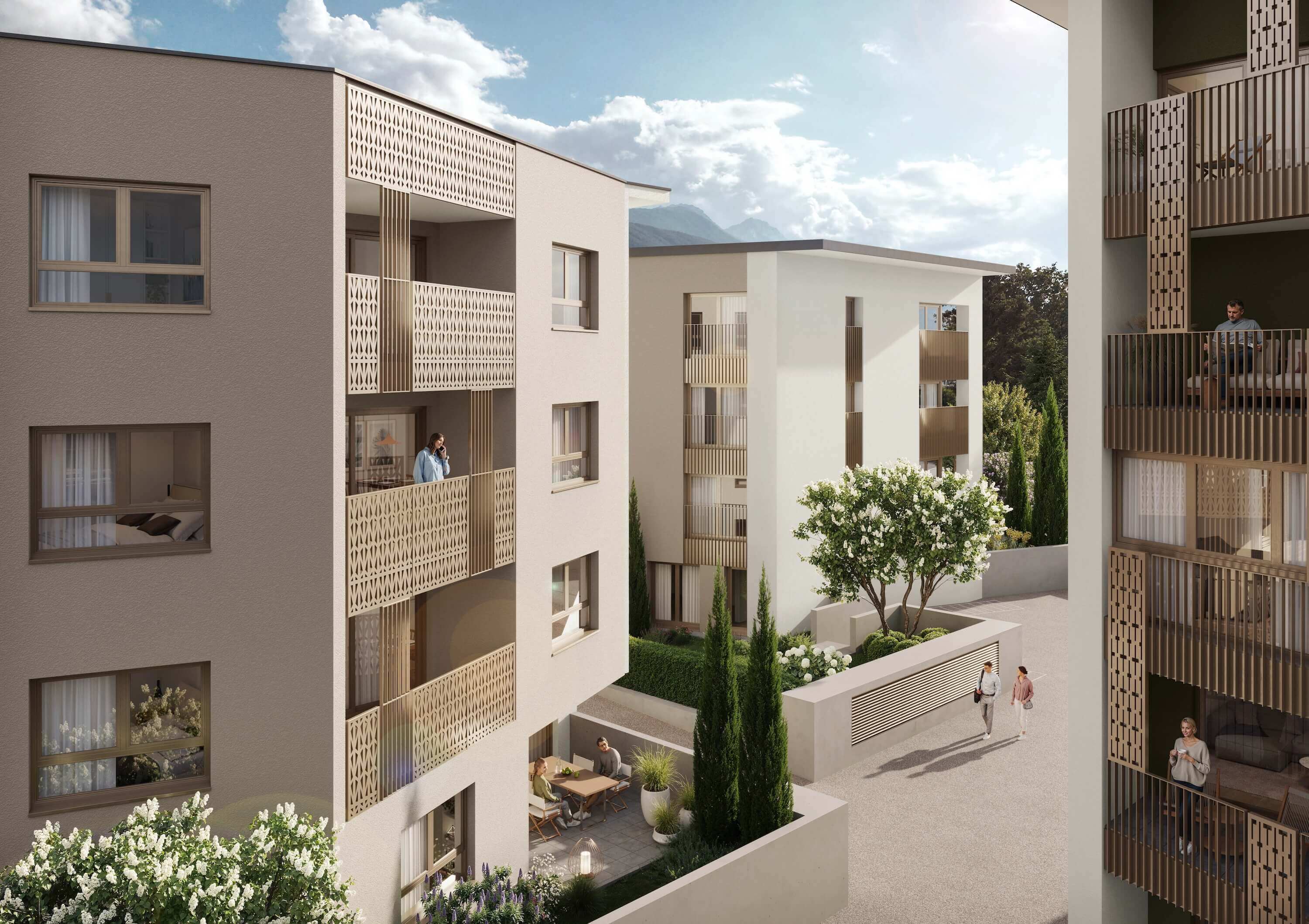

Sell Faster. Impress More. Close Deals with Stunning Architectural Renderings.
Join top real estate professionals and developers using high-end visualizations to attract buyers and close deals with confidence.