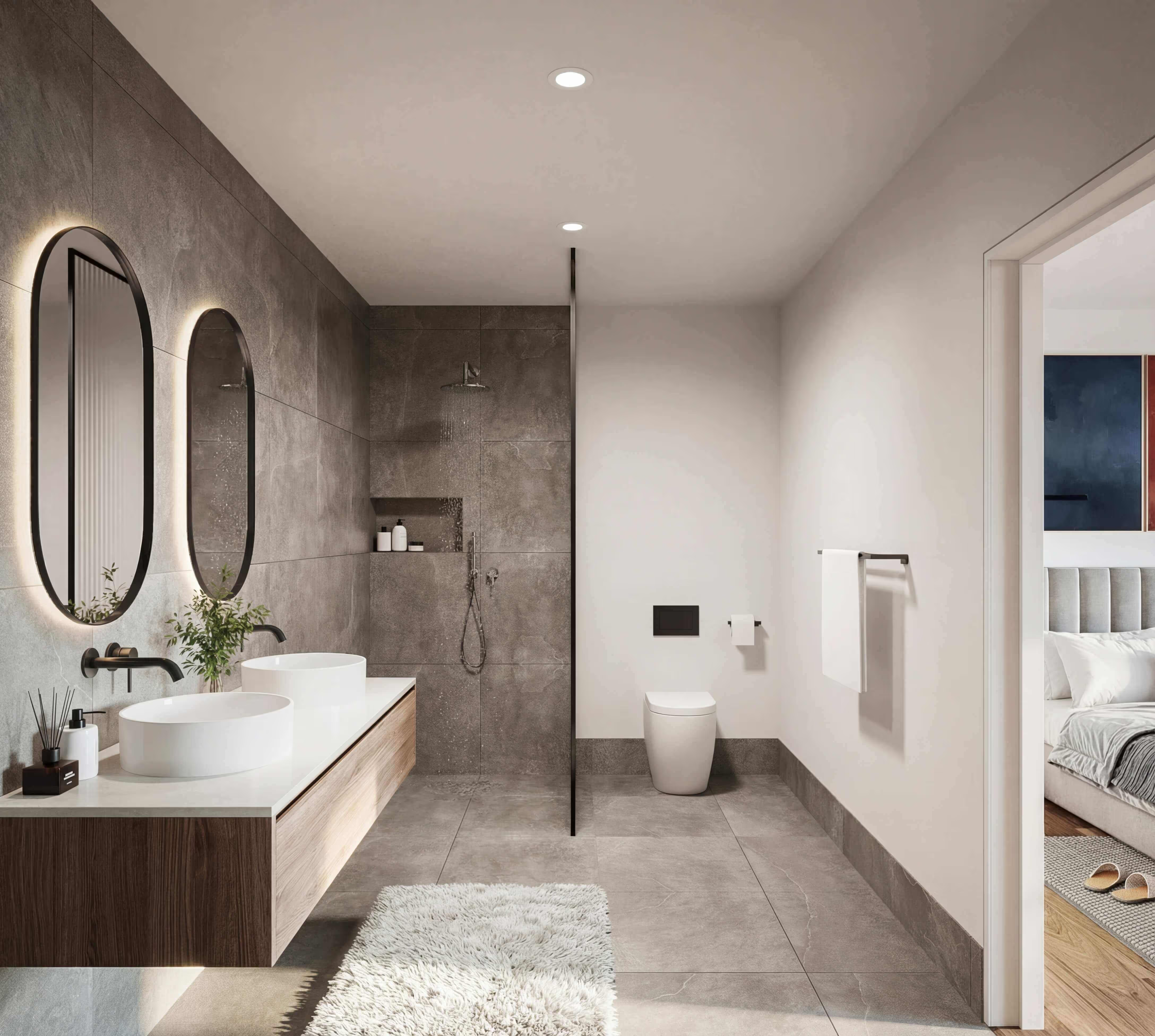
Choosing the wrong visualization studio costs you time, money, and credibility. Here is your complete checklist to find a partner that actually delivers - so your projects sell themselves before the first brick is laid.
Why Choosing the Right Visualization Studio Matters
In the competitive DACH real estate market, architectural visualizations are no longer a luxury - they are a necessity. Whether you're a developer launching a new residential project in Vienna, a Zurich-based architect pitching a commercial complex, or a Munich firm marketing off-plan apartments, the quality of your 3D renderings directly impacts sales velocity and investor confidence.
But not every visualization partner delivers equal results. The difference between a mediocre rendering and a photorealistic masterpiece can mean weeks of delayed sales or a project that sells out before construction begins. This guide gives you a practical, no-nonsense checklist for evaluating visualization studios - so you invest in a partner that elevates your projects, not one that holds them back.
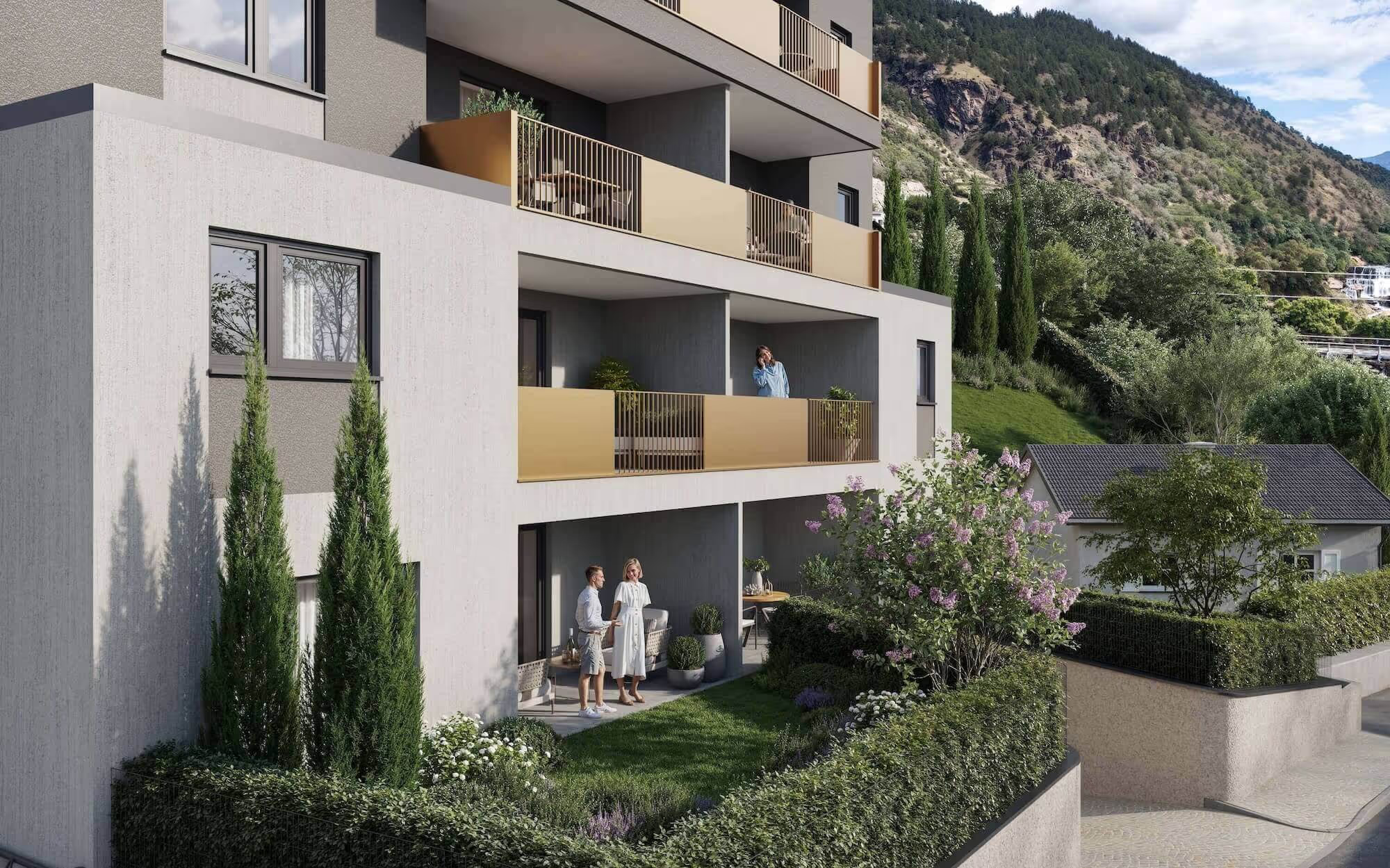
10 criteria, one checklist. Use the points below to evaluate any visualization studio before signing a contract - whether you are a developer, architect, or project manager in the DACH region.
The 10-Point Checklist for Evaluating a Visualization Studio
1. Portfolio Depth and Consistency
A strong portfolio isn't just about one or two hero images. Look for consistent quality across dozens of projects. Any studio can cherry-pick their best work; what matters is whether their average output meets your minimum standard. Pay attention to lighting realism, material accuracy, and compositional balance across different project types - from outdoor visualizations to indoor renderings.
2. DACH Market Understanding
The DACH market has specific architectural traditions, regulatory contexts, and buyer expectations that differ significantly from North American or Asian markets. A studio that understands Austrian Bauordnung nuances, Swiss sustainability standards, or German Bauträger marketing conventions will produce visuals that resonate with your target audience. Generic, internationally-styled renderings often fall flat with local buyers who expect to see familiar urban contexts, vegetation, and architectural detailing.
3. Technical Range of Services
Modern real estate marketing demands more than static exterior renderings. Evaluate whether a studio can deliver a full spectrum of visual assets from a single briefing:
- Exterior visualizations for marketing brochures and websites
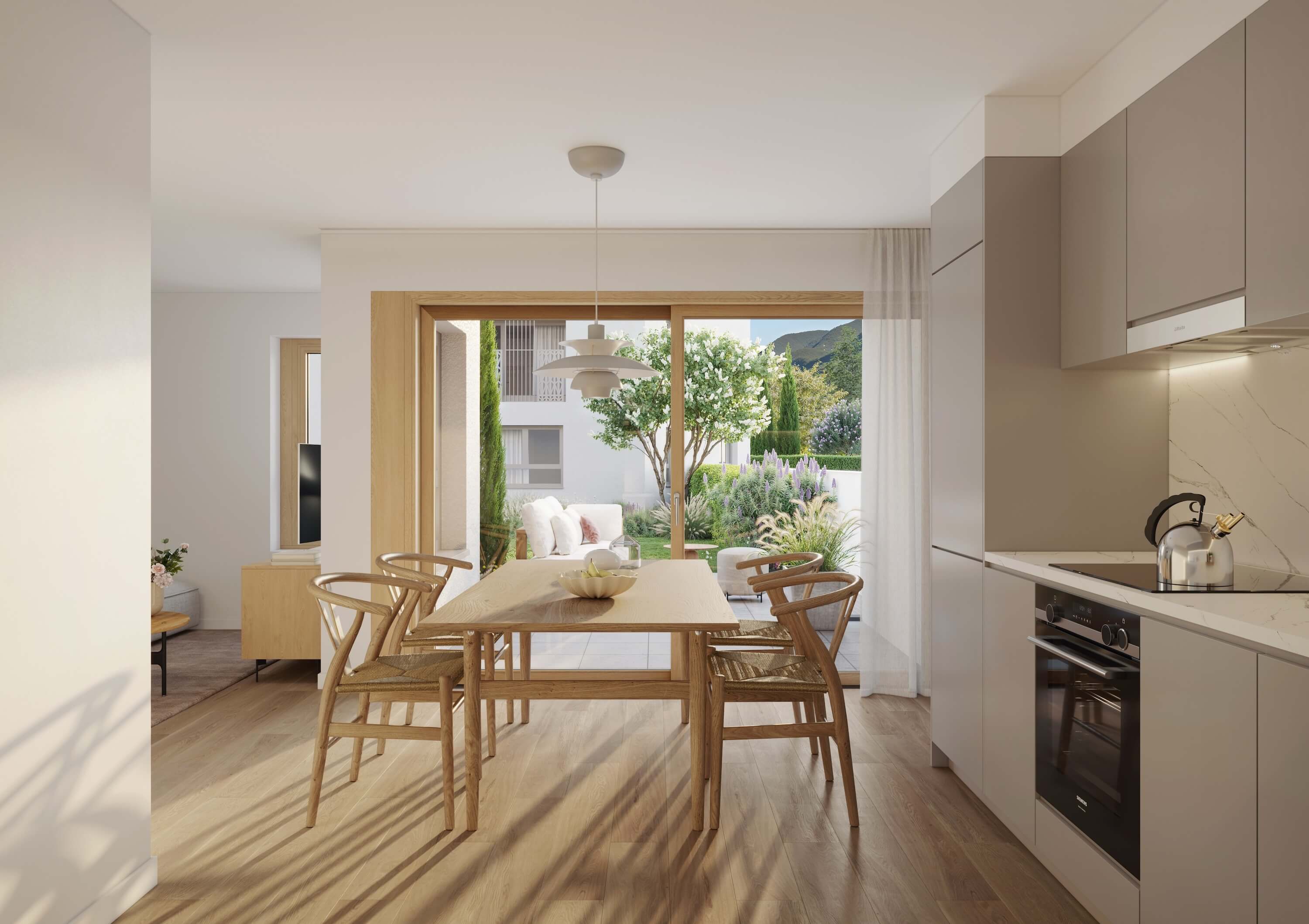
- Interior renderings that showcase spatial quality and finishes
- 3D floor plans for clearer spatial communication
- 360° virtual tours for immersive online experiences
- Aerial 3D renderings for urban context and site orientation
- CGI animations for premium project launches
- Virtual staging for existing properties
Working with a single studio for all deliverables ensures visual consistency and dramatically reduces coordination overhead.
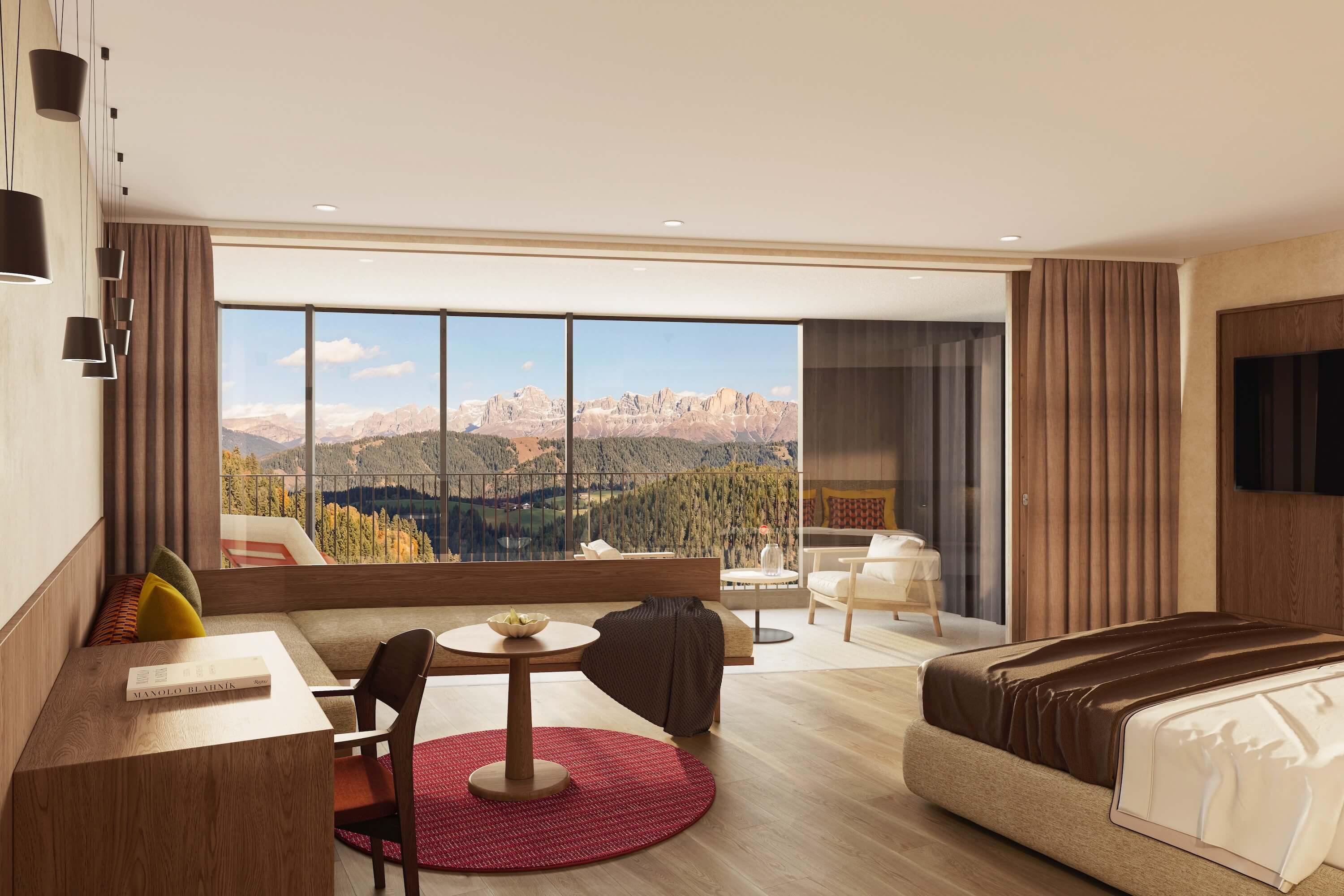
4. Revision Process and Communication
How a studio handles revisions reveals everything about their professionalism. Ask these questions before signing:
- How many revision rounds are included?
- What is the typical turnaround for revisions?
- Do they provide a structured feedback system or rely on email chains?
- Can you mark up images directly?
"The best visualization studios treat revisions as a collaborative refinement process, not a grudging obligation. If a studio seems annoyed by feedback, that's a red flag."
5. Turnaround Time and Reliability
In DACH real estate development, timelines are tight. Marketing materials often need to be ready months before construction completes, and delays cascade through your entire sales pipeline. A reliable studio commits to deadlines - and meets them. Ask for references and check whether they have a track record of on-time delivery, not just beautiful images.
6. Pricing Transparency
Beware of studios that quote suspiciously low prices only to add charges for "complex lighting," "additional furniture," or "high-resolution output." A professional studio provides clear, itemized quotes with no hidden fees. In the DACH market, you should expect to pay between €300–€900 per image for high-quality static renderings, depending on complexity and resolution. If a quote seems too good to be true, it usually is.
_3d_v1.jpg)
7. Technology and Workflow
Ask what rendering engines and software the studio uses. Studios using industry-standard tools like V-Ray, Corona Renderer, Unreal Engine, or Twinmotion typically produce more reliable and higher-quality results. Also inquire about their file format compatibility - can they work with your architects' Revit, ArchiCAD, or SketchUp models directly?
8. Scalability
If your first project goes well, can the studio handle ten projects simultaneously? Studios with robust internal teams and established workflows scale gracefully. Freelancers and small operations often struggle when volume increases, leading to quality drops or missed deadlines at the worst possible moment.
9. Client References and Testimonials
Don't just look at the portfolio - talk to previous clients. Ask specifically about communication quality, deadline adherence, and how the studio handled problems. A studio that is transparent about past challenges and how they resolved them is far more trustworthy than one that claims perfection.
10. Post-Delivery Support
What happens after delivery? Can you request minor adjustments weeks later? Do they archive your project files for future use? Studios that maintain long-term client relationships understand that real estate marketing is an ongoing process, not a one-off transaction.
Freelancer vs. In-House vs. Specialized Studio: A Comparison
One of the most important decisions is choosing the right type of visualization partner. Here's how the three main options compare across key criteria:
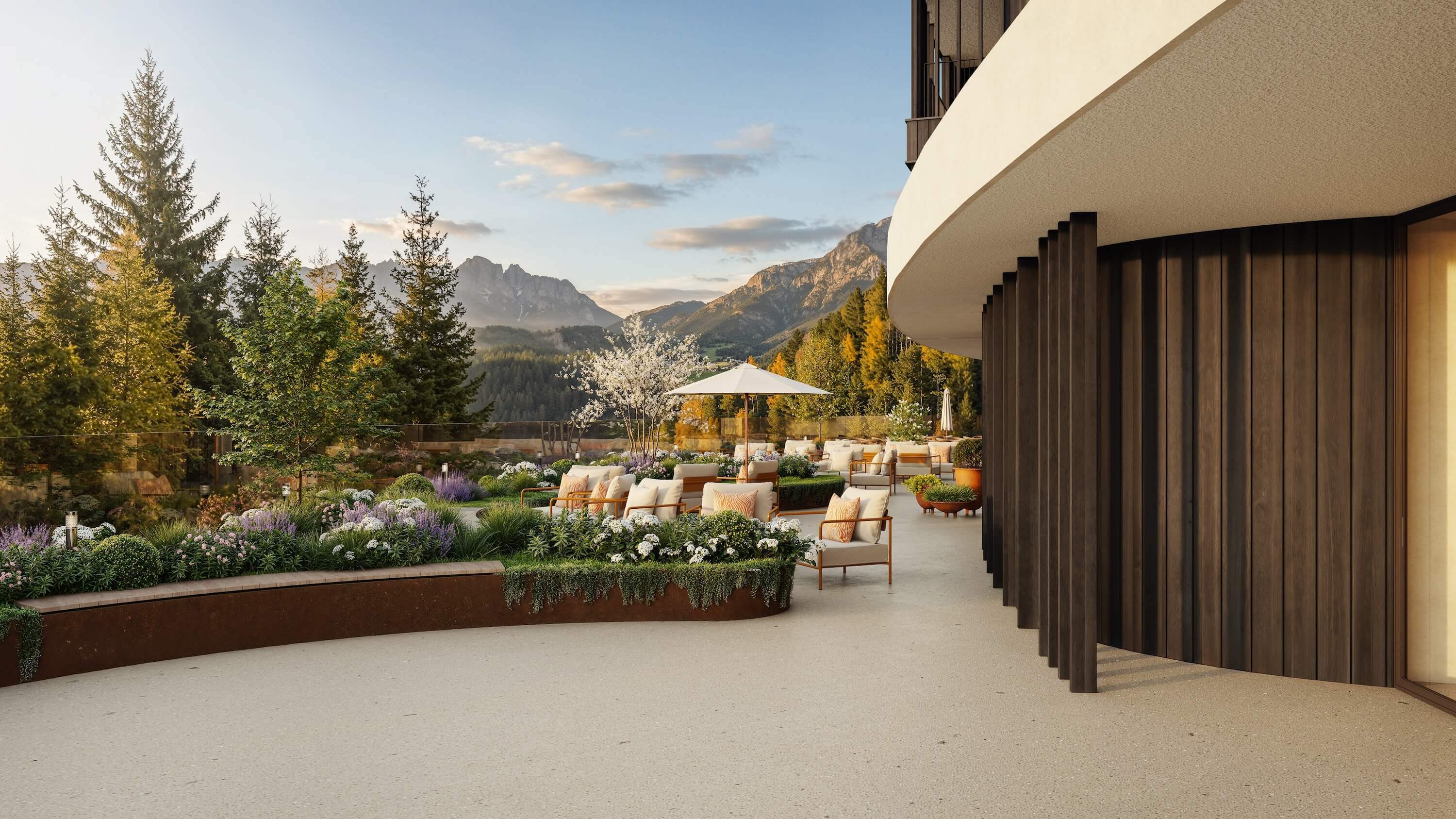
Watch out: A studio quoting well below market rates is almost always cutting corners - on material quality, lighting realism, or revision rounds. In the DACH market, expect to invest between 300-900 EUR per image for professional results.
Red Flags to Watch Out For
Not every studio that looks professional online delivers professional results. Here are warning signs that should give you pause:
- No process documentation: If a studio can't explain their workflow clearly, expect chaos.
- Watermarked portfolio only: Reputable studios show their work openly.
- Offshore teams without disclosure: There's nothing wrong with global talent, but transparency matters.
- No DACH references: If they've never worked in your market, expect a steep learning curve - on your dime.
- Extremely low pricing: In the DACH market, quality visualization has a cost floor. Studios significantly undercutting market rates are cutting corners somewhere.
What a Great Partnership Looks Like
The best visualization partnerships feel effortless. You send plans, provide a brief, and receive photorealistic visuals that require minimal revisions. The studio anticipates your needs, understands your market, and delivers on time - every time. They become an extension of your marketing team, not just a vendor.
"A great visualization studio doesn't just render what you tell them - they enhance your vision with lighting, composition, and atmosphere that you hadn't even considered."
Making Your Decision
Choosing a visualization studio is an investment decision, not a purchasing decision. The right partner will generate returns through faster sales, higher buyer confidence, and a stronger brand presence. The wrong one will cost you time, money, and credibility.
Use this checklist as your framework. Evaluate at least three studios, compare portfolios side-by-side, check references, and request a small test project before committing to a large engagement. In the DACH market specifically, prioritize studios with local expertise, transparent pricing, and a proven track record of reliability.
Your buildings deserve to be seen at their best - long before the first brick is laid.

Sell Faster. Impress More. Close Deals with Stunning Architectural Renderings.
Join top real estate professionals and developers using high-end visualizations to attract buyers and close deals with confidence.