The 10 Most Common Architecture Visualization Mistakes (And How to Avoid Them in 2026)

Why This Article Matters
An architectural visualization is often the very first thing a buyer, investor, or decision-maker sees – long before construction even begins.
But a strong rendering is never a coincidence. Poor visualizations can misrepresent a project, reduce trust, delay approvals, or discourage potential buyers.
Below, we show you the most common mistakes – and how to avoid them from the start.
1. Unrealistic Materials & Surfaces
Mistake:
Overly glossy concrete, reflective brick walls, or exaggerated marble textures look artificial and unconvincing.
Solution:
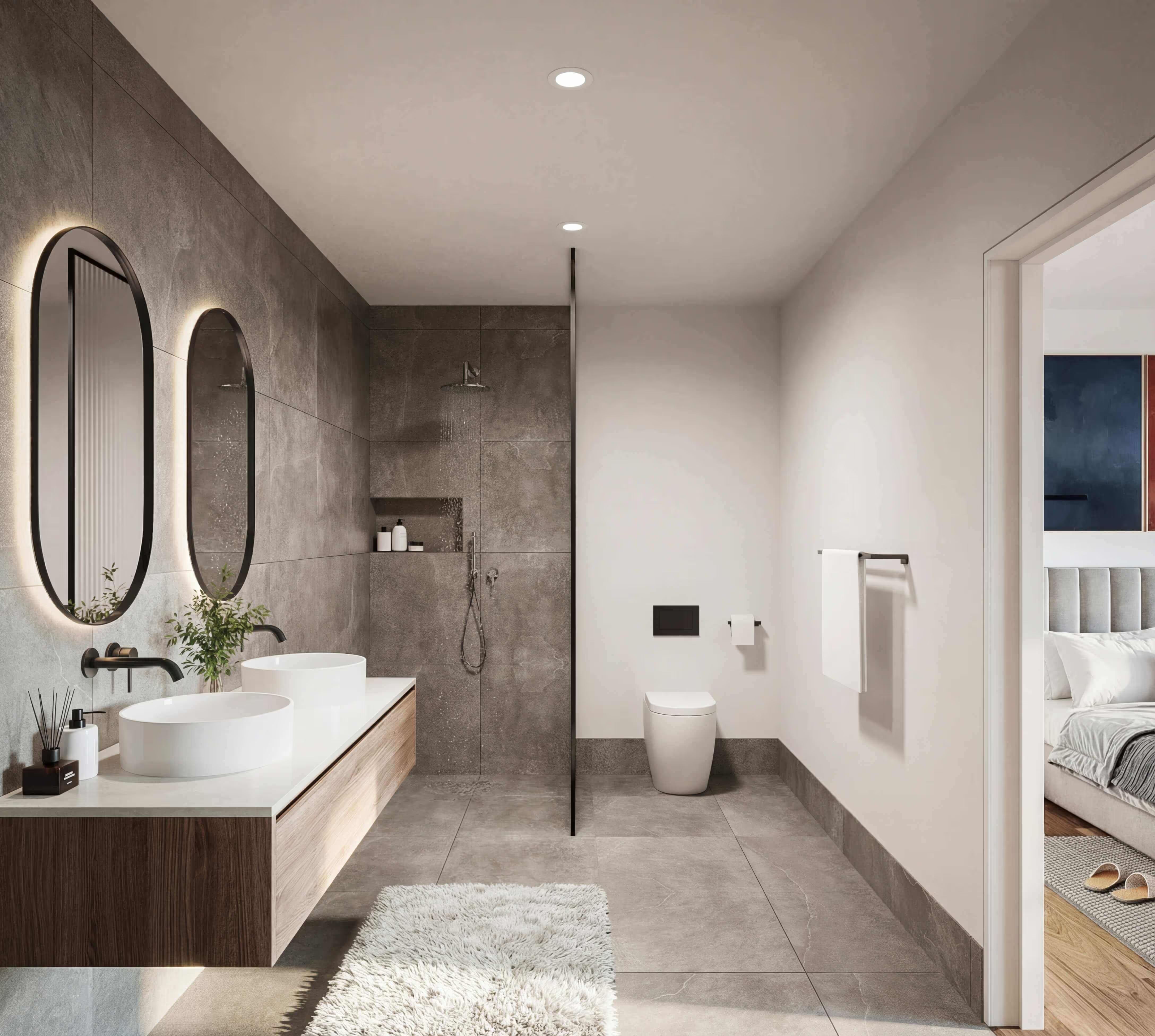
Use material-accurate textures and realistic light reflections. High-quality material libraries and carefully adjusted surface parameters ensure authenticity – especially in region-specific construction contexts.
Here is an example of realistic materiality in architectural rendering:
2. Incorrect Lighting Atmosphere
Mistake:
Flat, diffuse lighting or extreme overexposure often fails to create emotional impact.
Solution:
Lighting is the most powerful design element in visualization. Whether sunset, twilight, or soft morning light – the right lighting setup creates mood and credibility.
Well-directed lighting can significantly influence purchasing decisions.
3. Empty or Poorly Furnished Spaces
Mistake:
Renderings without furniture or with generic interior design feel cold and interchangeable.
Solution:
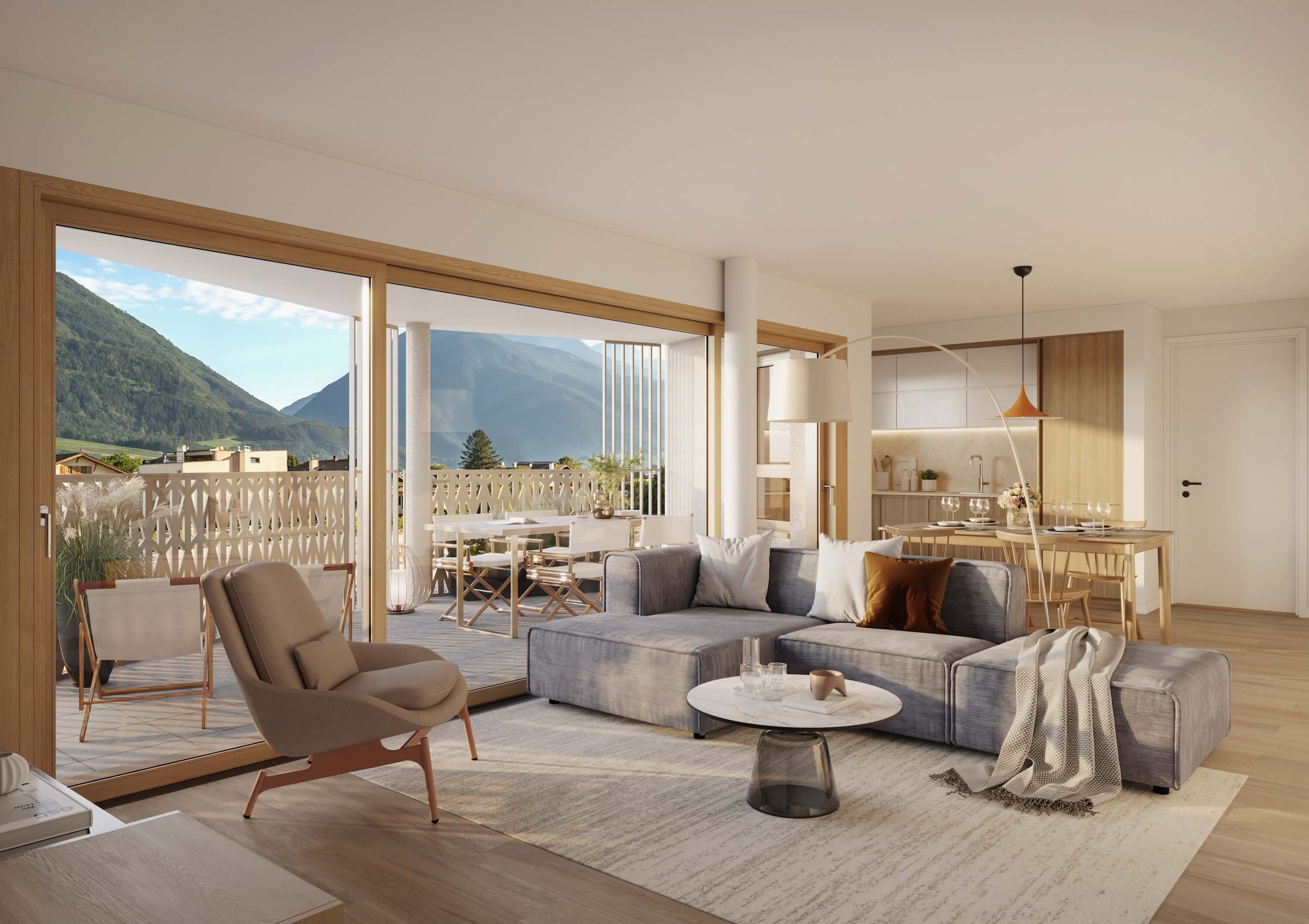
Spaces need context. Carefully selected furniture, plants, artwork, and everyday objects create emotional connection and identification.
Here is an example of well-staged interior visualization:
4. Too Much or Too Little Detail
Mistake:
Some renderings are overloaded with textures and decorative elements, while others are so minimal that spatial impact is lost.
Solution:
Balance is key. Strong architectural visualization highlights what matters while allowing room for interpretation.
5. Poor Camera Angles
Mistake:
Overly high viewpoints or distorted wide-angle shots can misrepresent architecture.
Solution:
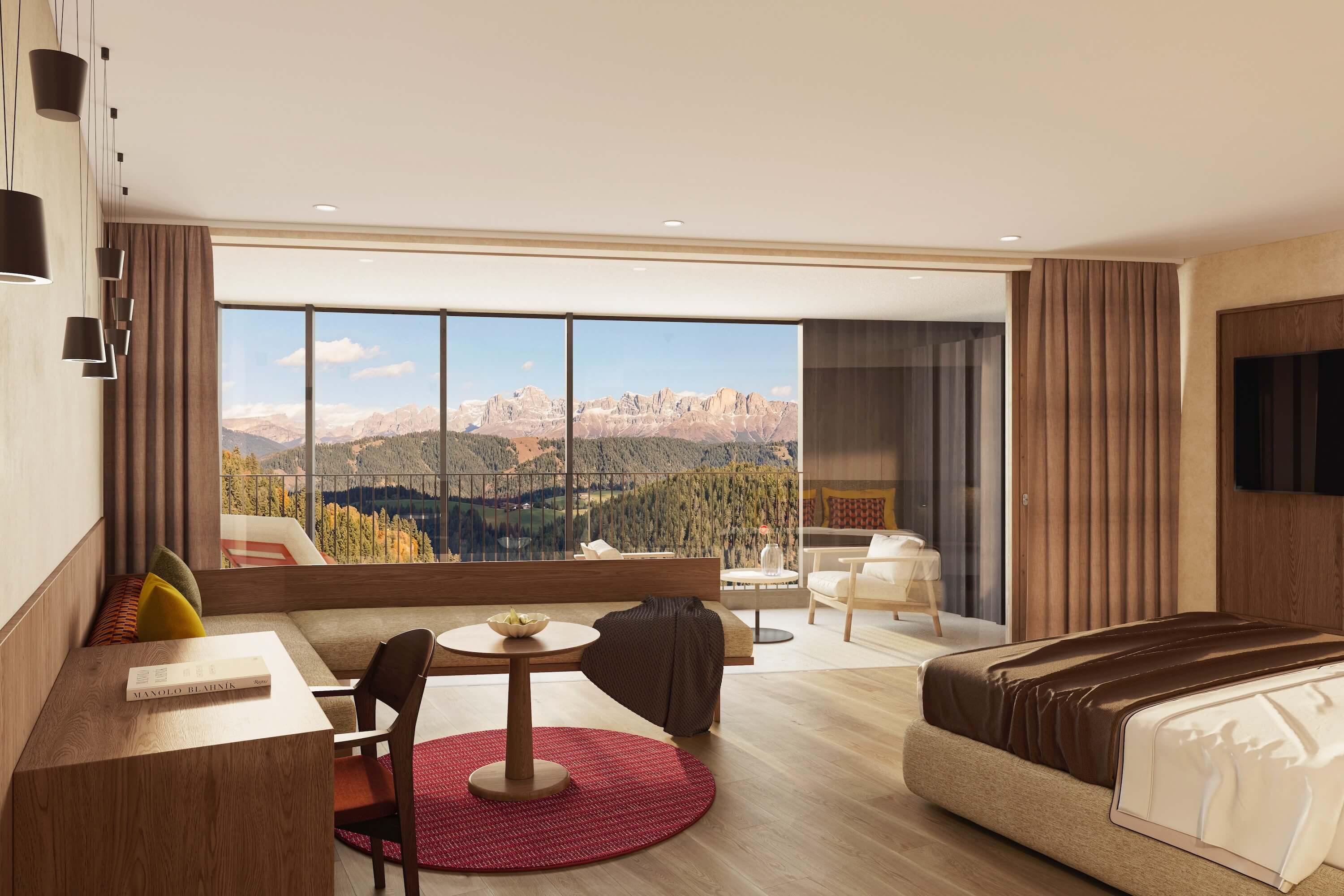
Camera placement should follow architectural photography principles – eye-level perspectives, clean axis alignment, and realistic focal lengths.
Here is an example of a natural camera perspective:
6. Lack of Context Integration
Mistake:
Buildings appear to “float” without terrain, vegetation, or surrounding structures.
Solution:
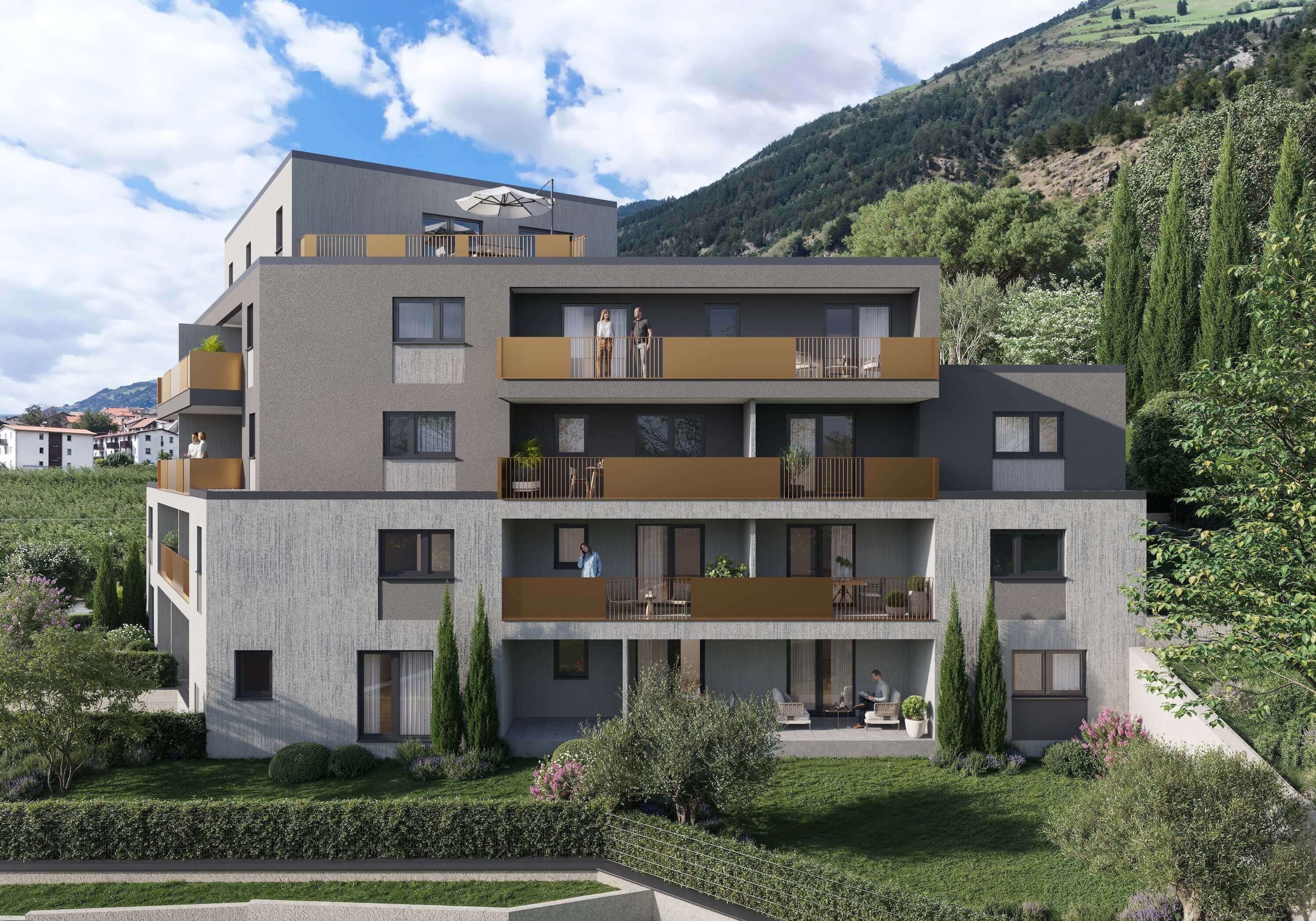
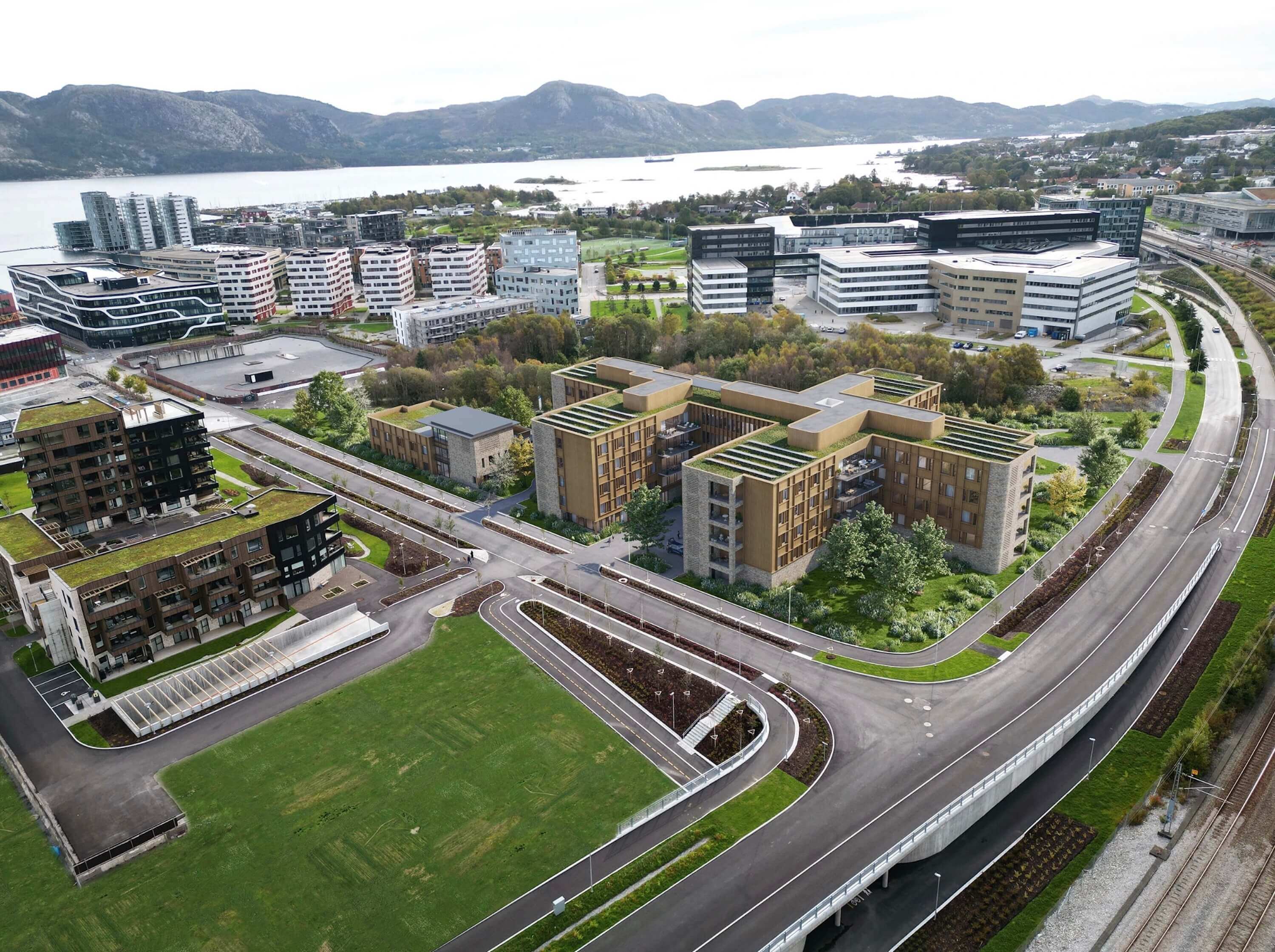
A convincing rendering integrates the building into its real environment. Topography, vegetation, lighting conditions, and neighboring structures must align with the actual location.
Here is an example of successful environmental integration:
📌 More on this: Architectural rendering vs. real estate photography – when is which option worthwhile?
7. No Clear Target Audience
Mistake:
Renderings fail to communicate effectively with their intended audience – whether investors, families, or authorities.
Solution:
Different audiences require different visual languages.
A sales-focused rendering differs significantly from a permit submission visualization or investor presentation.
8. Missing Revision Phases
Mistake:
The final result does not meet expectations due to limited feedback and coordination.
Solution:
Structured feedback processes with clearly defined revision phases ensure alignment and prevent misunderstandings.
9. Insufficient Data Quality
Mistake:
Incomplete or inaccurate plans lead to incorrect representations, costly revisions, and delays.
Solution:
The better the source material (DWG, RVT, mood boards), the more precise the outcome.
If a 3D model is missing, it should be professionally rebuilt – BIM-ready, accurate, and efficient.
10. No Strategic Use Beyond the Rendering
Mistake:
The image is used once and then forgotten in a project folder.
Solution:
Renderings should be delivered in multiple formats (4K resolution, web version, print-ready).
They can also be extended into social media assets, brochures, websites, presentations, 360° tours, or animations.
Conclusion: Quality Over Quantity
A strong architectural visualization is more than just a beautiful image – it is a strategic tool for communication, marketing, and decision-making.
Avoiding these common mistakes improves not only visual quality but also:
- credibility
- persuasive impact
- and ultimately project success
Especially in 2026, within an increasingly competitive real estate market, the quality of presentation often determines the strength of the first impression – and the future trajectory of a project.
Sell Faster. Impress More. Close Deals with Stunning Architectural Renderings.
Join top real estate professionals and developers using high-end visualizations to attract buyers and close deals with confidence.