You have an architectural project that needs to be sold, funded, or approved - and you know that high-quality visuals make the difference. But how much does a 3D visualization actually cost in 2026? The answer depends on more factors than most people expect. In this guide, we break down real pricing across the DACH market, explain what drives costs up or down, and show you how to calculate the return on every euro you invest.
Quick overview: A single exterior rendering in Austria typically costs between EUR 400 and EUR 3,500. Interior visualizations range from EUR 300 to EUR 2,500 per image. The final price depends on complexity, deadline, and the studio's experience level.
What Types of 3D Visualizations Exist - and What Do They Cost?
Before talking numbers, it helps to understand the different types of architectural visualization. Each serves a different purpose, requires a different level of effort, and therefore comes with a different price tag.
Exterior Renderings
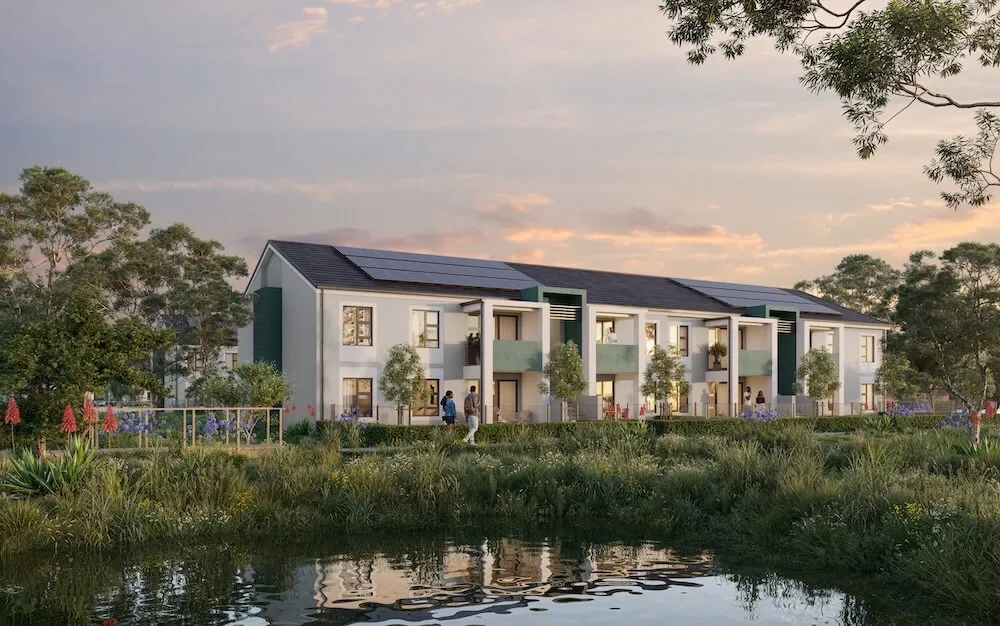
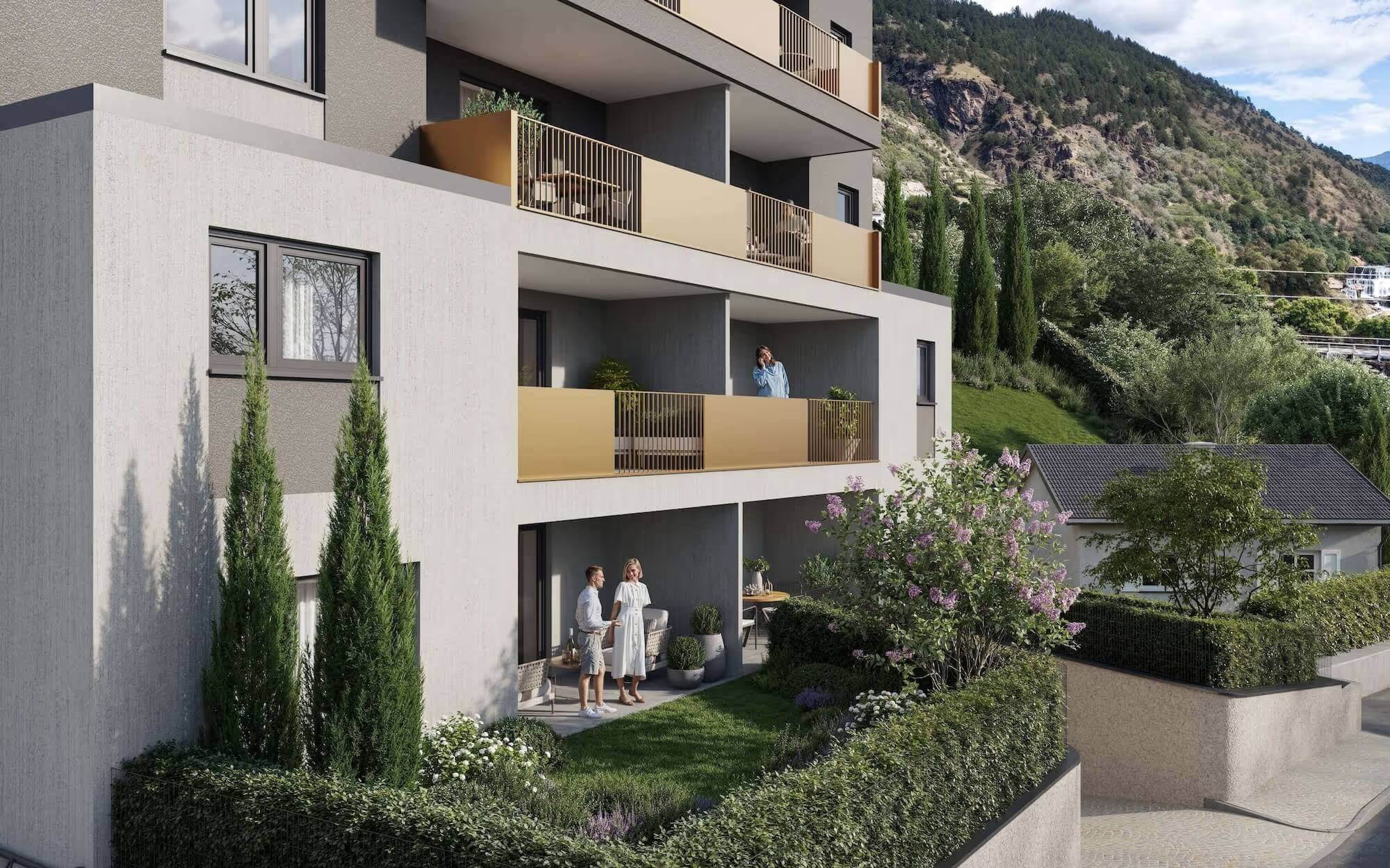
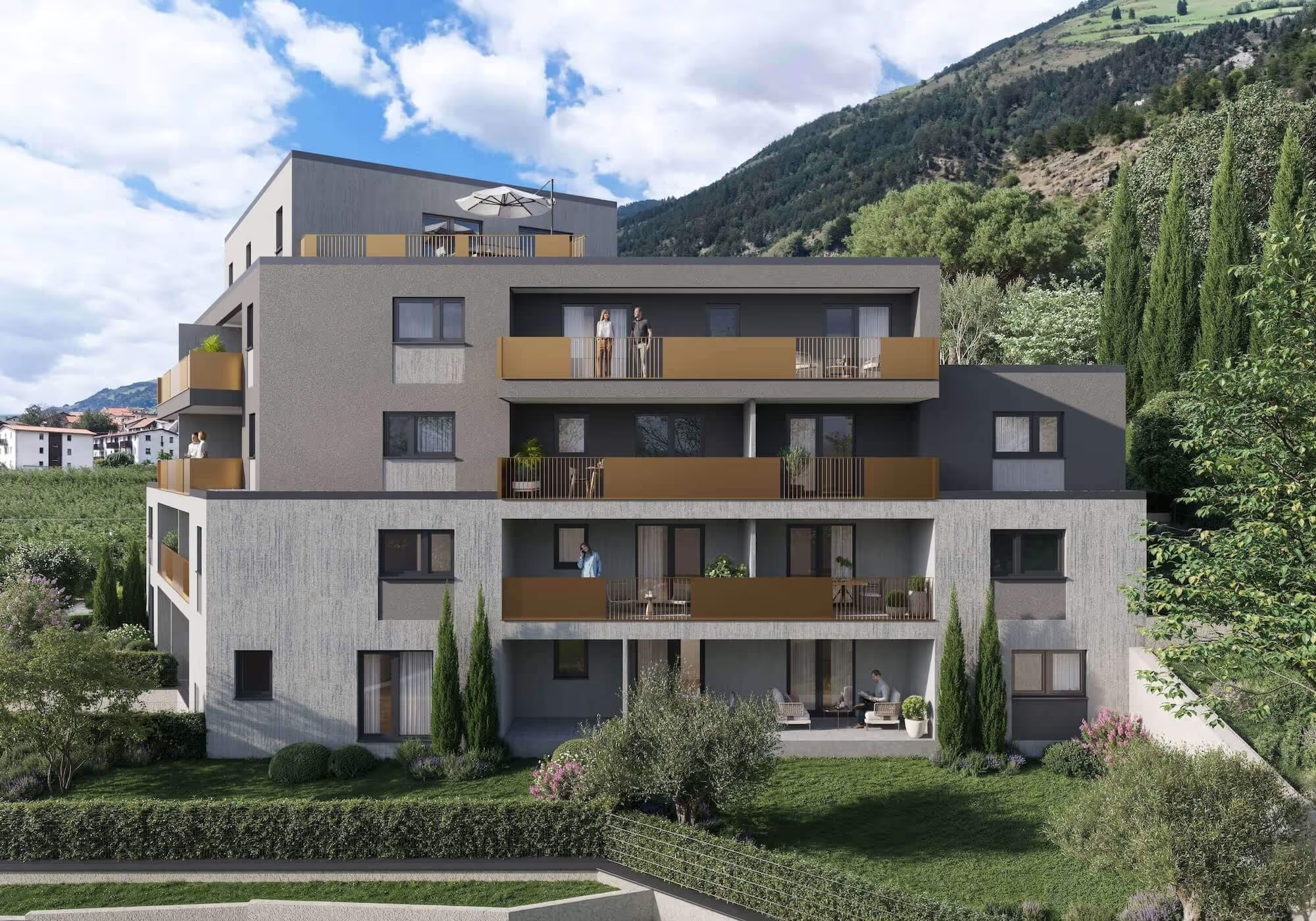
Exterior visualizations show a building from the outside - embedded in its real or planned environment, with landscaping, lighting conditions, and context. These are the flagship images for brochures, websites, and investor presentations. A single high-quality exterior rendering in Austria ranges from EUR 600 to EUR 3,500, depending on the complexity of the architecture, the environment, and the desired level of photorealism. Studios like TwoBuild typically deliver exterior visualizations that include surrounding landscaping, atmospheric lighting, and realistic materials.
Interior Renderings
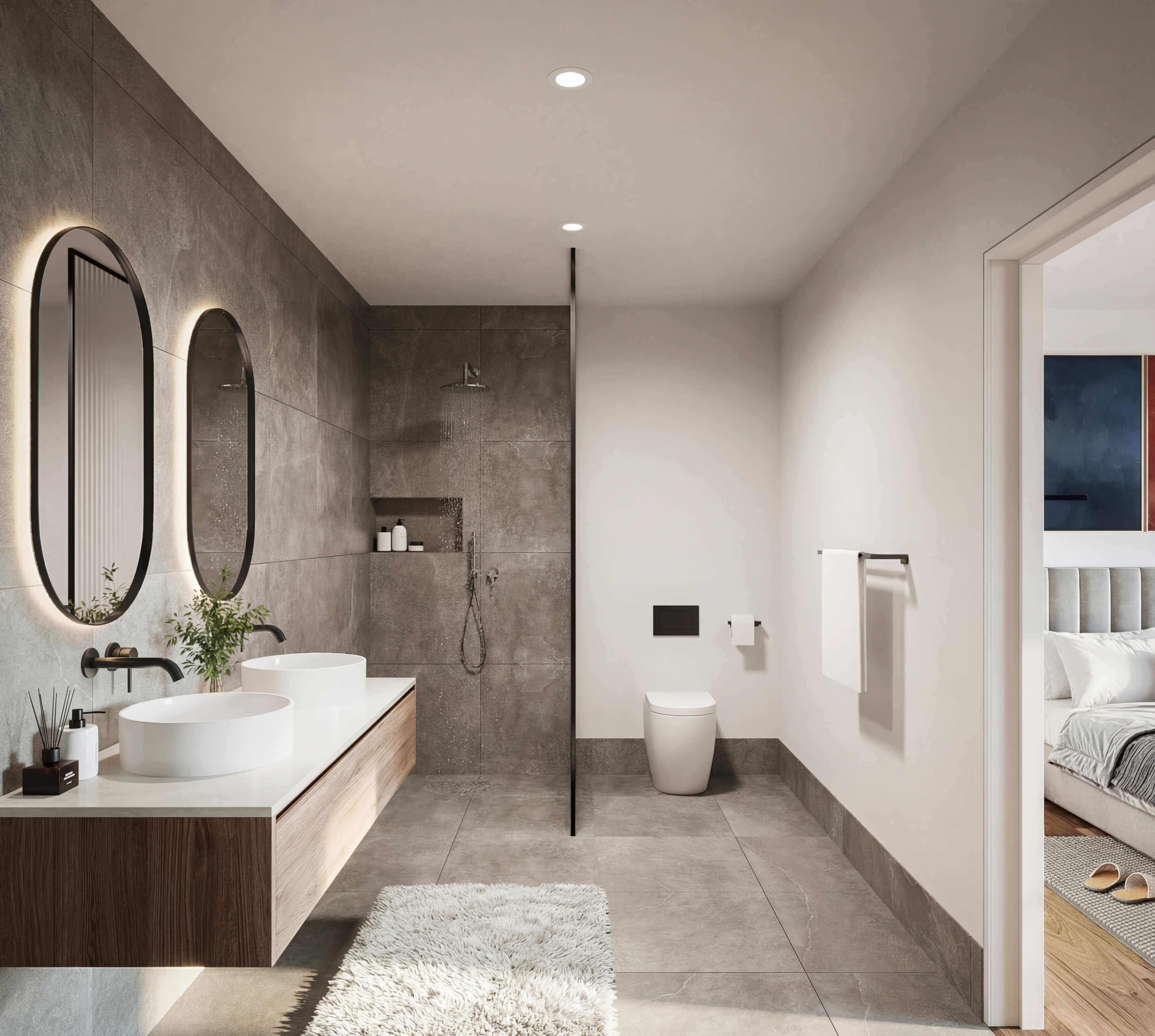
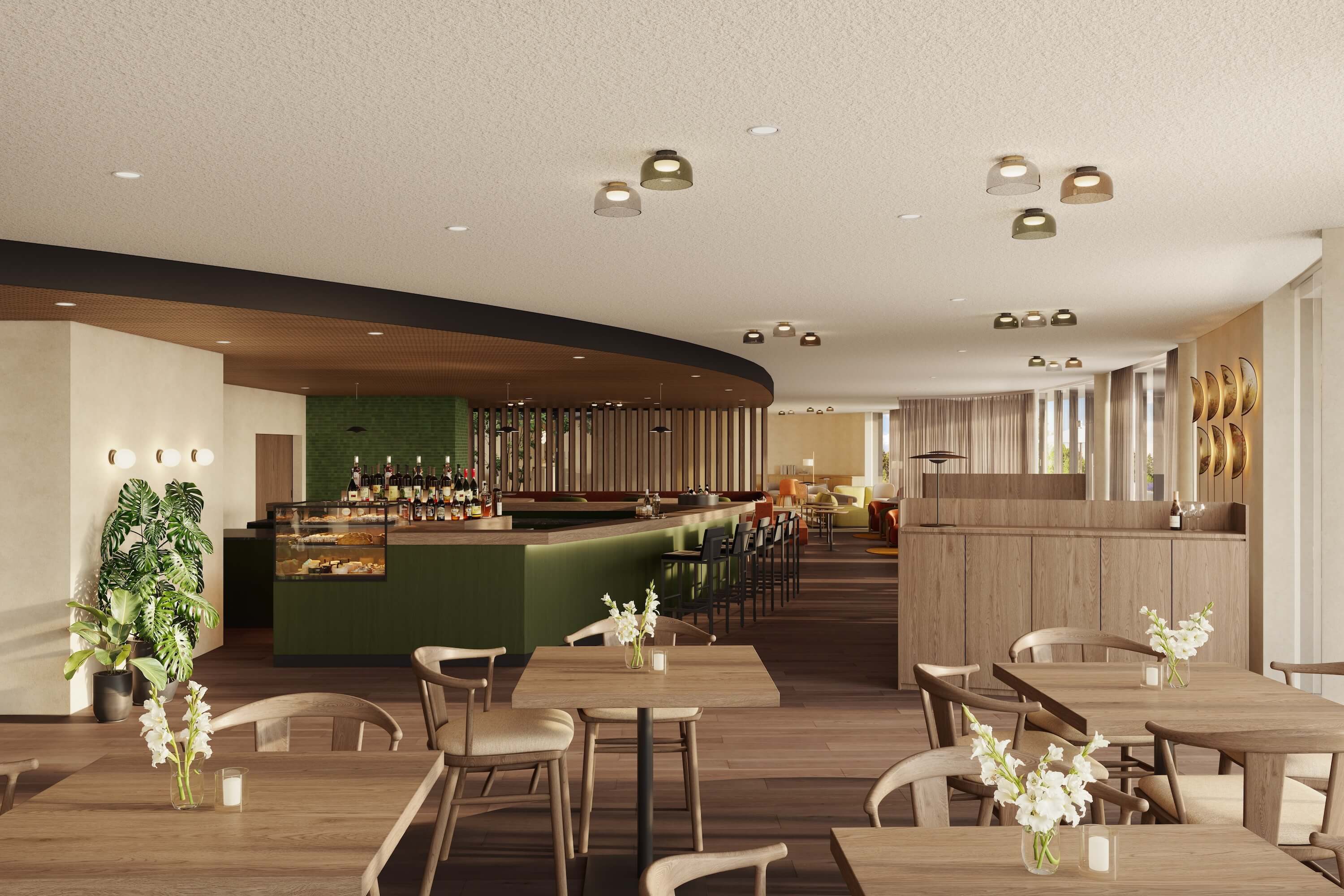
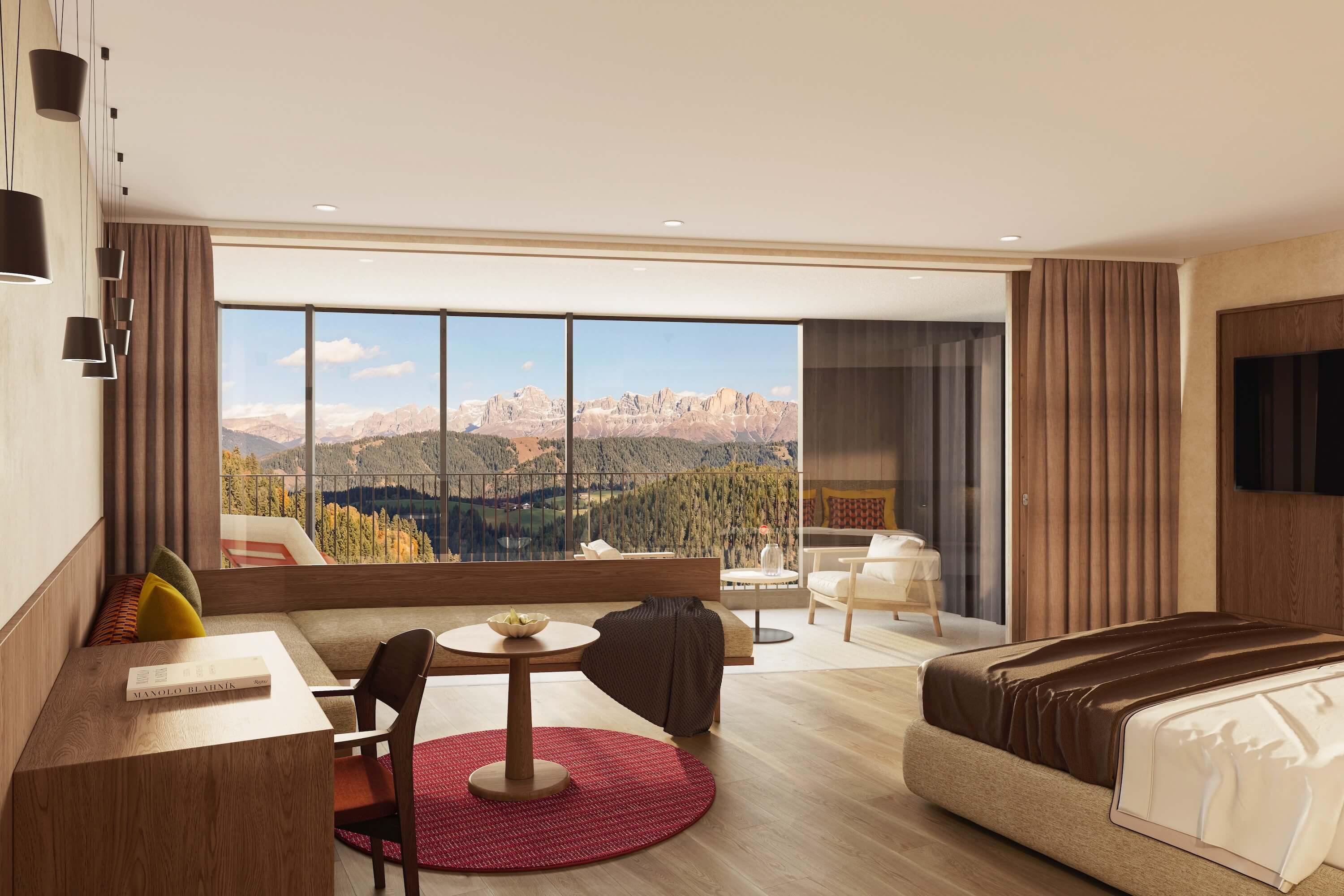
Interior visualizations bring spaces to life before they exist. They show material choices, furniture layouts, and natural light conditions. A standard interior rendering costs between EUR 300 and EUR 2,500. The price depends heavily on the number of custom furniture pieces, the level of material detail, and whether the space is a simple apartment or a complex hotel lobby. For furnished interior renderings, studios often maintain extensive asset libraries that keep costs predictable.
Aerial and Bird's-Eye Views
These visualizations show an entire development from above - perfect for masterplans, neighborhood contexts, and large-scale projects. Because they require modeling a larger area and often integrating real satellite data, aerial renderings typically start at EUR 800 and can exceed EUR 4,000 for complex urban developments.
3D Floor Plans
A 3D floor plan transforms a flat architectural drawing into a three-dimensional, furnished layout. Prices range from EUR 150 to EUR 600 per floor plan. They are particularly effective for real estate listings and project brochures, as buyers can immediately understand the spatial layout.
CGI Animations and Virtual Tours
Moving images - whether a CGI animation walkthrough or an interactive 360-degree virtual tour - represent the premium end of architectural visualization. Animations start at around EUR 3,000 for a short sequence and can reach EUR 20,000 or more for a full cinematic project film. Virtual tours are more affordable, typically ranging from EUR 500 to EUR 2,500 depending on the number of viewpoints.
What Factors Drive the Price?
The cost of a 3D visualization is not random. Several concrete factors determine where your project lands on the pricing spectrum.
Project complexity is the single biggest driver. A simple rectangular building with standard materials costs far less to visualize than a curved facade with custom cladding, integrated greenery, and complex structural elements. The more architectural detail, the more modeling and texturing time is needed.
Level of photorealism matters significantly. A conceptual visualization for an internal presentation requires less refinement than a marketing image that will be printed on billboards. Photorealistic rendering demands careful lighting simulation, high-resolution textures, and extensive post-production.
"The biggest misconception about 3D visualization pricing is that it is just about the final image. In reality, 70% of the work happens in the 3D modeling, scene setup, and lighting - long before the render button is pressed."
Deadline pressure can increase costs by 30-50%. Rush jobs require studios to rearrange schedules, work overtime, or dedicate more render farm capacity. If you can plan ahead and give your studio 3-4 weeks of lead time, you will almost always get a better price. For a detailed overview of realistic timelines, see our timeline guide.
Number of revision rounds also plays a role. Most studios include 2-3 revision rounds in their base price. Beyond that, additional revisions add to the cost. Clear briefings and early feedback help keep revisions - and costs - under control.
Pricing Across the DACH Market: Austria, Germany, and Switzerland
Prices for 3D architectural visualizations vary across the DACH region, driven by local market conditions, studio density, and typical project scope.
In Austria, the market is relatively concentrated. Studios in Vienna and Graz serve most of the country, with prices for a standard exterior rendering ranging from EUR 600 to EUR 2,500. The Austrian market has seen strong growth in demand from Bautrager (property developers) who increasingly use visualization packages - combining exteriors, interiors, and floor plans - to pre-sell residential units off-plan.
In Germany, the market is larger and more competitive. Major hubs like Munich, Berlin, Hamburg, and Frankfurt offer a wider range of studios, which pushes entry-level pricing slightly lower. However, premium studios in Germany charge comparable rates to Austria. The South Tyrol market, while smaller, typically aligns with Austrian pricing levels.
In Switzerland, everything costs more. Higher labor costs and the strong Swiss franc mean that visualization prices can be 40-60% above Austrian levels. Many Swiss developers and architects work with studios in Austria or Germany to manage costs while maintaining quality.
Pro tip: Working with a DACH-based studio that understands local building standards and architectural styles saves significant back-and-forth compared to offshoring to cheaper markets. The small premium pays for itself in fewer revision rounds and culturally appropriate design choices.
How to Calculate the ROI of 3D Visualization
For property developers and real estate agents, 3D visualization is not a cost - it is an investment. The return comes in faster sales, higher prices, and reduced marketing spend elsewhere.
Consider a typical Austrian Bautrager selling 30 apartments off-plan. A professional visualization package - including 3 exterior views, 5 interior renderings, 3D floor plans for each unit type, and a virtual tour - might cost EUR 8,000 to EUR 15,000. If these visuals help sell just two additional units before construction begins, the ROI is extraordinary. At an average apartment price of EUR 300,000, that represents EUR 600,000 in accelerated revenue - a 40x to 75x return on the visualization investment.
Even for smaller projects, the math works. A single high-quality rendering at EUR 1,200 used in online listings can reduce a property's time on market by weeks. In a market where carrying costs for unsold inventory run EUR 2,000-5,000 per month, faster sales translate directly to bottom-line savings.
"We started using 3D visualizations for our projects in 2023. Within the first year, our average pre-sale rate went from 40% to 75% before construction start. The investment paid for itself within the first project." - Austrian property developer
For more data on the financial impact, read our deep dive on how architectural visualization boosts property sales.
How to Get the Best Value from Your Visualization Budget
Getting good value does not mean choosing the cheapest option. It means optimizing your investment for maximum impact. Here are the strategies that experienced developers and agencies use.
Bundle your visualizations. Most studios offer package pricing that is significantly cheaper per image than ordering individually. A package of 5-8 renderings plus floor plans will typically cost 20-30% less per deliverable than ordering each separately.
Provide clear, complete briefings. The number one reason visualization projects go over budget is unclear or changing requirements. Provide your studio with finalized floor plans, material specifications, and reference images for the desired style. Our mistakes to avoid guide covers the most common briefing pitfalls.
Plan your timeline. Start the visualization process early in the marketing planning phase. This gives your studio adequate time to deliver quality work without rush surcharges. Most studios need 2-4 weeks for a standard package.
Choose the right studio. Not every studio is right for every project. A hotel developer in Tyrol needs a studio that understands alpine architecture and hospitality aesthetics. An industrial company in Upper Austria needs technical accuracy. Check portfolios, ask for references, and read our studio selection checklist before committing.
The Bottom Line: What Should You Budget?
For most property development projects in Austria, a realistic visualization budget looks like this:
Small project (single building, 5-15 units): EUR 3,000 to EUR 8,000 for a complete visualization package including exteriors, interiors, and floor plans.
Medium project (multi-building development, 20-50 units): EUR 8,000 to EUR 20,000 for comprehensive visuals including aerial views, multiple interior types, virtual tours, and marketing materials.
Large project (masterplan, mixed-use, 50+ units): EUR 15,000 to EUR 40,000 or more, depending on the scope of deliverables and whether CGI animation is included.
These ranges apply to professional studios in Austria and Germany delivering photorealistic quality. For more specific pricing tailored to your project, request a quote with your project details.
Whether you are a Bautrager launching your next residential project, a Makler looking to upgrade your listings, or a hotel developer planning a renovation - understanding visualization costs helps you budget effectively and invest where the return is highest. The DACH market offers excellent studios at competitive prices, and the ROI data speaks for itself.

Sell Faster. Impress More. Close Deals with Stunning Architectural Renderings.
Join top real estate professionals and developers using high-end visualizations to attract buyers and close deals with confidence.