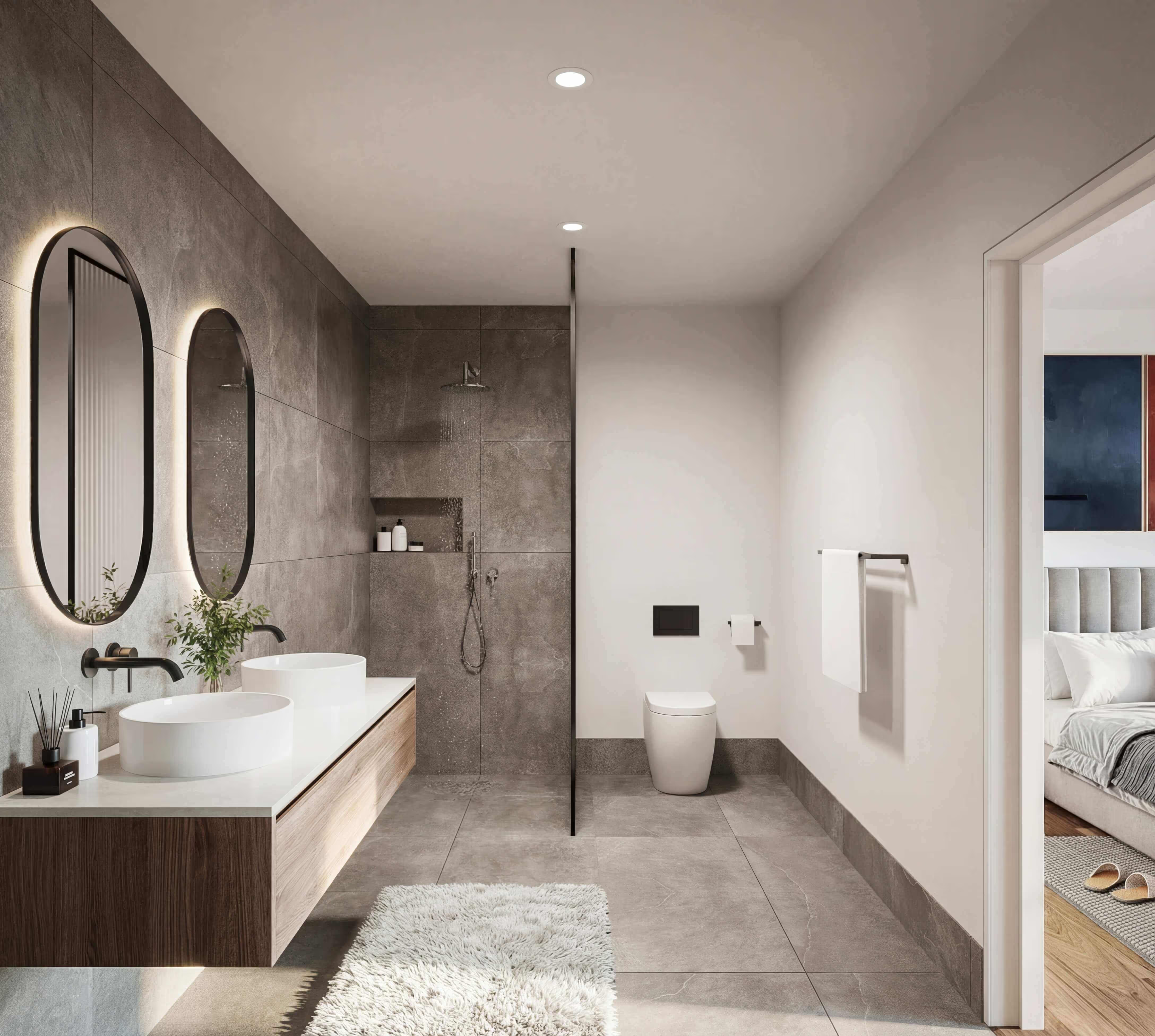
Knowing how to find the right visualization studio is one of the most consequential - and most underrated - decisions in any property project. The images you commission will front your sales brochure, your website, your investor deck and often your building application, so the studio behind them shapes how thousands of people first experience your building. Yet most Bauträger and agents still compare providers on a single number: the price per image.
That is exactly how projects end up with one beautiful hero shot and a set of forgettable supporting images that never convince a buyer. This guide gives you seven concrete criteria to evaluate any architectural visualization provider, plus a simple way to score and compare them side by side - whether you are searching in Vienna, Tyrol, South Tyrol or across the wider DACH region.
Why the studio you choose decides the result
A rendering is not a decoration - it is a promise about a building that does not exist yet. When that promise is credible, buyers commit early, banks feel comfortable and units sell off-plan at stronger prices. When it looks flat, plastic or generic, the opposite happens: viewers instinctively discount everything they see, and no amount of media spend repairs a poor first impression.
The uncomfortable truth is that two studios working from identical plans can deliver wildly different results. One produces images that feel like a photograph taken next summer; the other produces something that quietly screams "computer model." The gap is rarely the software - almost everyone uses the same tools. The gap is judgement, craft and process, and those are exactly what the following criteria are built to expose. If you want to know what a project should cost before you compare bids, our cost guide sets realistic benchmarks for the Austrian market.
The 7 criteria for finding the right visualization studio
Before you fall for any single image, run every shortlisted provider through the same seven filters. The table below is your quick reference; the sections that follow explain how to apply each one in practice.
| Criterion | What to look for | Red flag |
|---|---|---|
| 1. Portfolio & consistency | Strong work across the whole gallery, not one hero shot | A thin portfolio or wild quality swings between projects |
| 2. Sector experience | Proven projects in your specific building type | Only unrelated work, or a single sector on show |
| 3. Photorealism & lighting | Believable light, shadows, materials and reflections | Flat lighting, plastic surfaces, a "video-game" look |
| 4. Communication & revisions | A named contact and a written revision policy | Vague replies and no defined feedback process |
| 5. Transparent pricing | Itemised quotes stating what each image includes | "It depends" pricing and hidden extras |
| 6. Timelines & capacity | Committed dates and honest capacity for your volume | No firm dates or a visibly overbooked team |
| 7. Regional / DACH fit | Alpine light, Austrian taste and Einreichung know-how | No local references and a generic international look |
1. Portfolio quality - and consistency
Anyone can produce one stunning frame. The real question is whether they can do it every single time. Scroll past the hero image on the homepage and study the depth of the portfolio: are the tenth and twentieth projects as strong as the first? Consistent quality across dozens of projects tells you the results come from a repeatable process - not a single gifted freelancer having a good day, or one heavily retouched showcase piece.
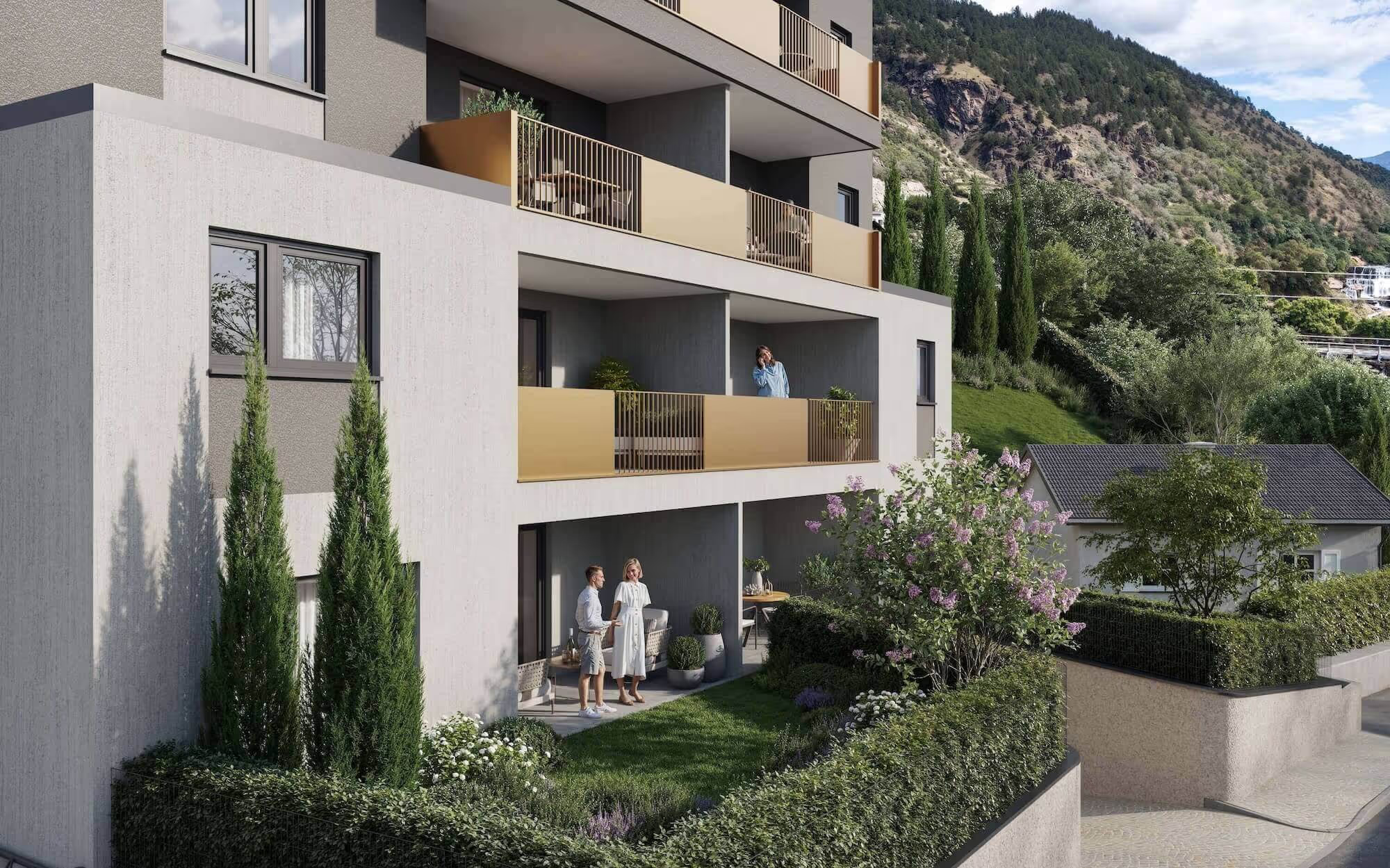
Look for variety within that consistency: different building types, times of day, interiors and exteriors, polished outdoor visualizations and detailed indoor renderings alike. A studio that only ever shows sunny hero exteriors may struggle the moment your project needs a convincing evening interior or a tricky north-facing facade.
The hero-shot trap. A single dazzling image on a homepage proves a studio can produce one great render - not that they will do it across your entire project. Always judge the twentieth image, not the first.
"A portfolio is the only part of a studio's marketing that cannot be faked. Everything else is a promise - the work is the proof."
2. Relevant sector experience
Residential, hotel, retail and industrial projects each demand a different visual language. A convincing apartment interior lives or dies on warmth, styling and the feeling of home; a hotel render has to sell an experience and an atmosphere; an industrial or logistics visualization is about scale, accuracy and function. A studio that has spent years in your sector already understands what your buyers respond to.
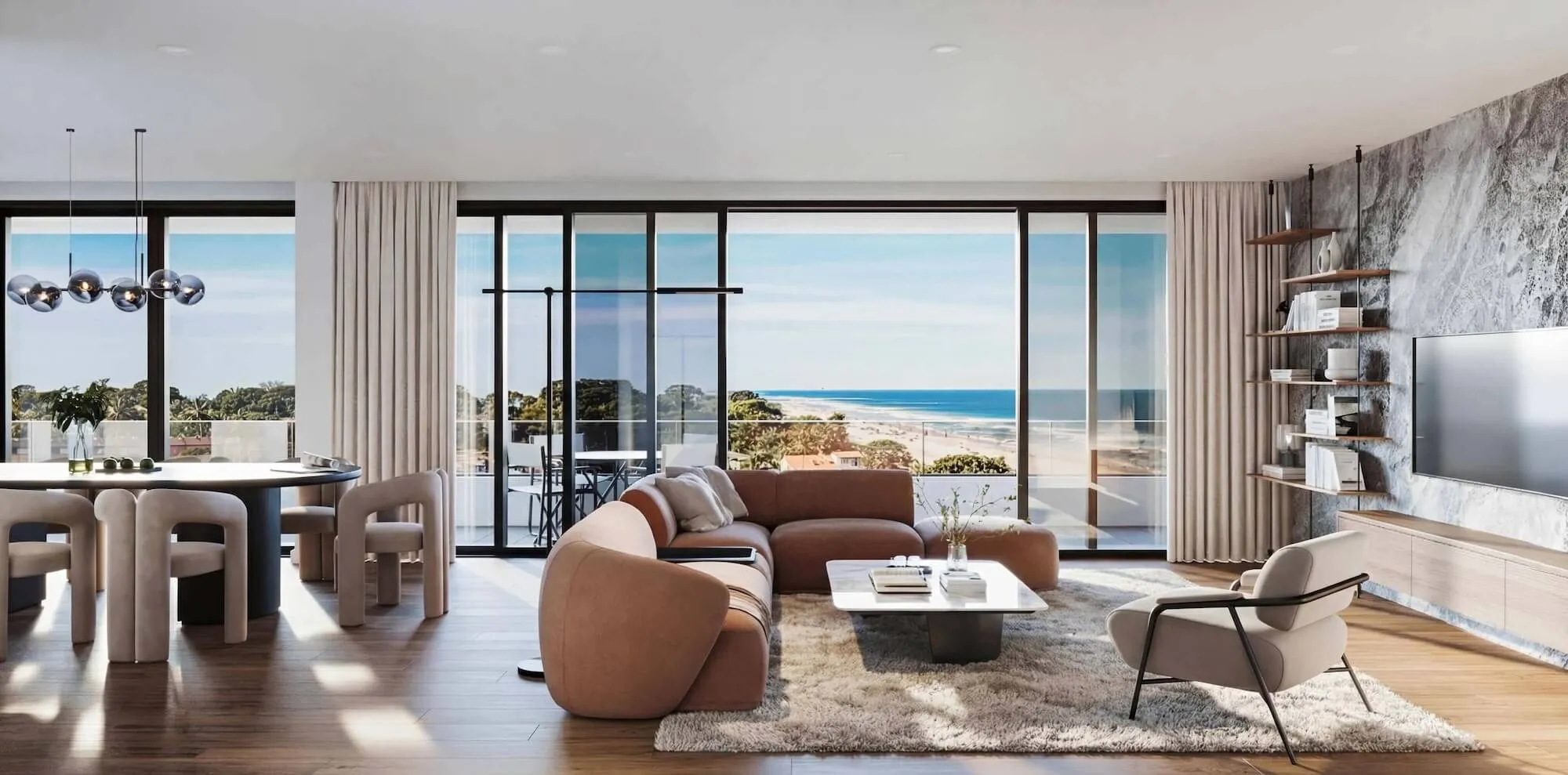
Ask directly: "Show me three projects like mine." If the answer is a polished body of work in exactly the right building type, you have found a shortcut to quality. If they can only show unrelated projects, expect to pay for their learning curve in revision rounds. For a deeper look at provider types, our guide on freelancer vs studio vs in-house breaks down where sector depth usually lives.
3. Genuine photorealism and lighting
Photorealism is where craft becomes obvious. The tell-tale signs of a skilled studio are all in the light: soft, believable shadows, materials that react correctly to sun and shade, reflections that behave like real glass and metal, and greenery that looks planted rather than pasted in. Amateur work betrays itself with flat, even lighting, plastic-looking surfaces and that unmistakable "video-game" sheen.
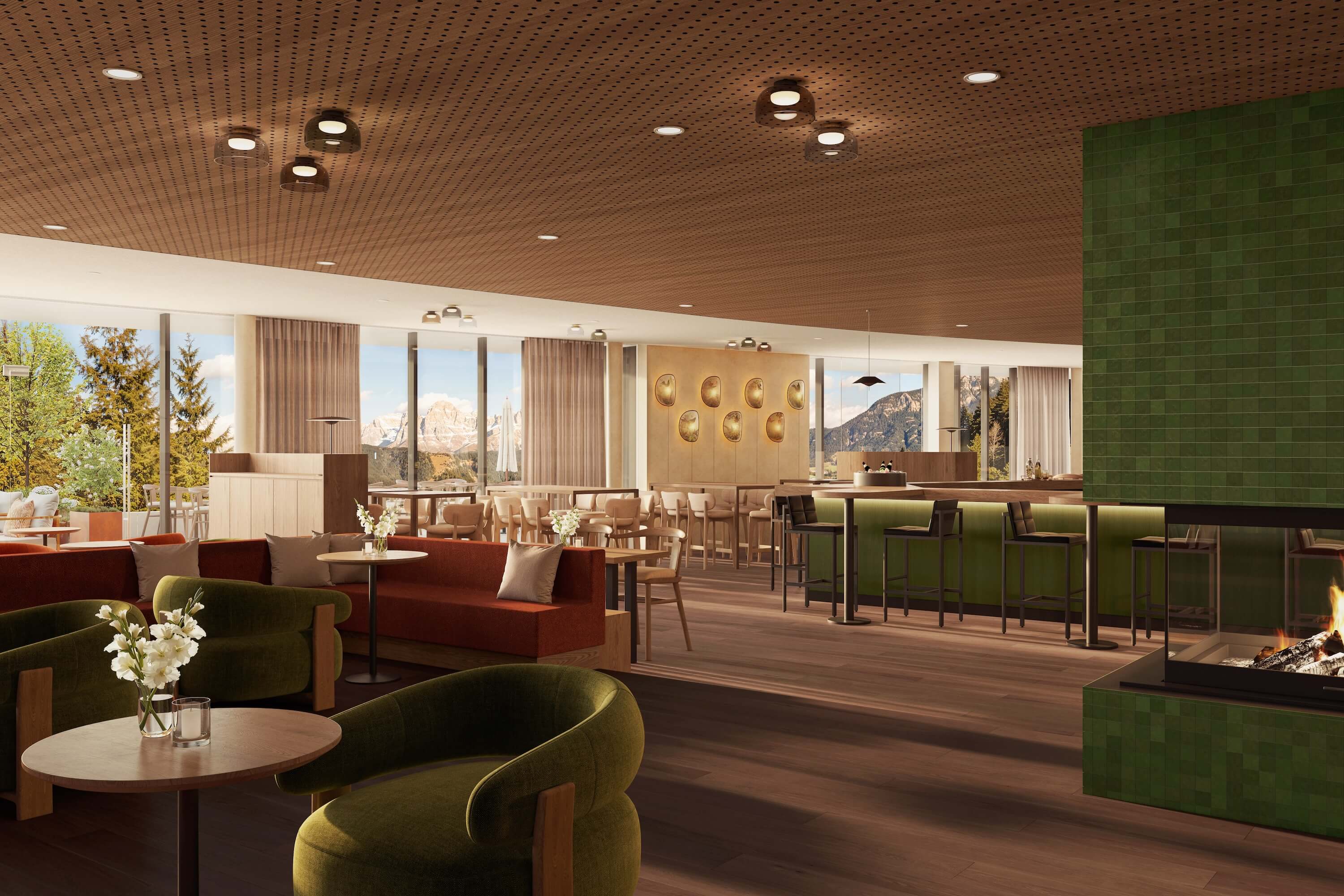
Evening and dusk scenes are the hardest test of all: warm interior light against a cooling sky exposes any weakness in a moment. When you review a portfolio, linger on the night shots and the aerial visualizations, where lighting and atmosphere have nowhere to hide.
4. Communication and a clear revision process
The best technical work in the world is worthless if you cannot steer it. Before you sign, you need clear answers to three questions: Who is my point of contact? How many revision rounds are included? And how do we exchange feedback? A professional studio has a defined process - structured feedback rounds, clear markups and a written policy on what counts as a revision versus a new scope of work.
Watch the early signals closely. Slow, vague or one-line replies during the sales conversation are a preview of how the project itself will run. Our commissioning checklist sets out exactly which briefing details to pin down before the first render, so your revision rounds stay short.
5. Transparent pricing - and what is included
Price is the easiest thing to compare and the easiest thing to get wrong. A low quote that covers one camera angle and a single revision can end up far more expensive than a higher quote that includes multiple views, two revision rounds and full usage rights. Insist on an itemised offer: what does each image cost, what counts as a revision, what happens if the design changes, and who owns the final files?
Price on its own is never a quality signal. A smarter approach is to rank providers by value - what you actually receive for the money - using our cost guide as a benchmark for the Austrian market. If a quote is dramatically cheaper than everyone else's, the scope is almost always smaller than it first appears.
6. Reliable timelines and capacity
A studio can tick every other box and still fail you if it cannot deliver on time. Sales launches, trade fairs and Einreichung deadlines do not move, so committed delivery dates matter as much as image quality. Ask how the studio handles your volume: can they produce ten images to the same standard as one, and what is their realistic turnaround at each stage?
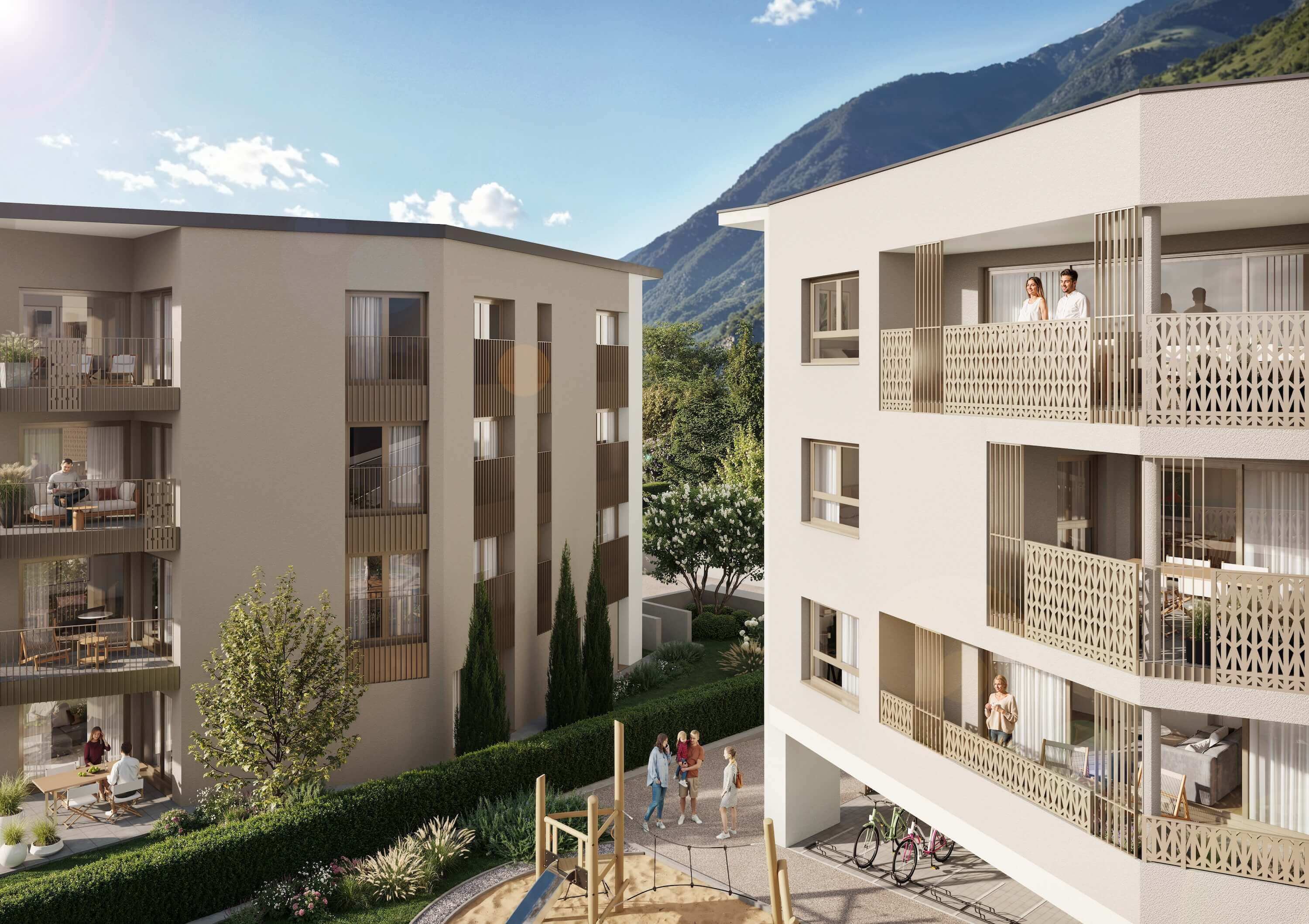
Capacity is where small and large providers diverge. A boutique studio may offer more personal attention but limited throughput; a larger team offers scale but can feel less hands-on. Neither is wrong - what matters is an honest match between their real capacity and your project's actual demands.
7. Regional and DACH understanding
This is the criterion international directories miss entirely - and the one that matters most in our market. Alpine light is specific: the way the sun rakes across a valley in Tyrol, the crisp clarity of mountain air, the long shadows of a South Tyrol afternoon. A studio that understands this produces exteriors that feel genuinely local, rather than transplanted from a generic sunbelt render.
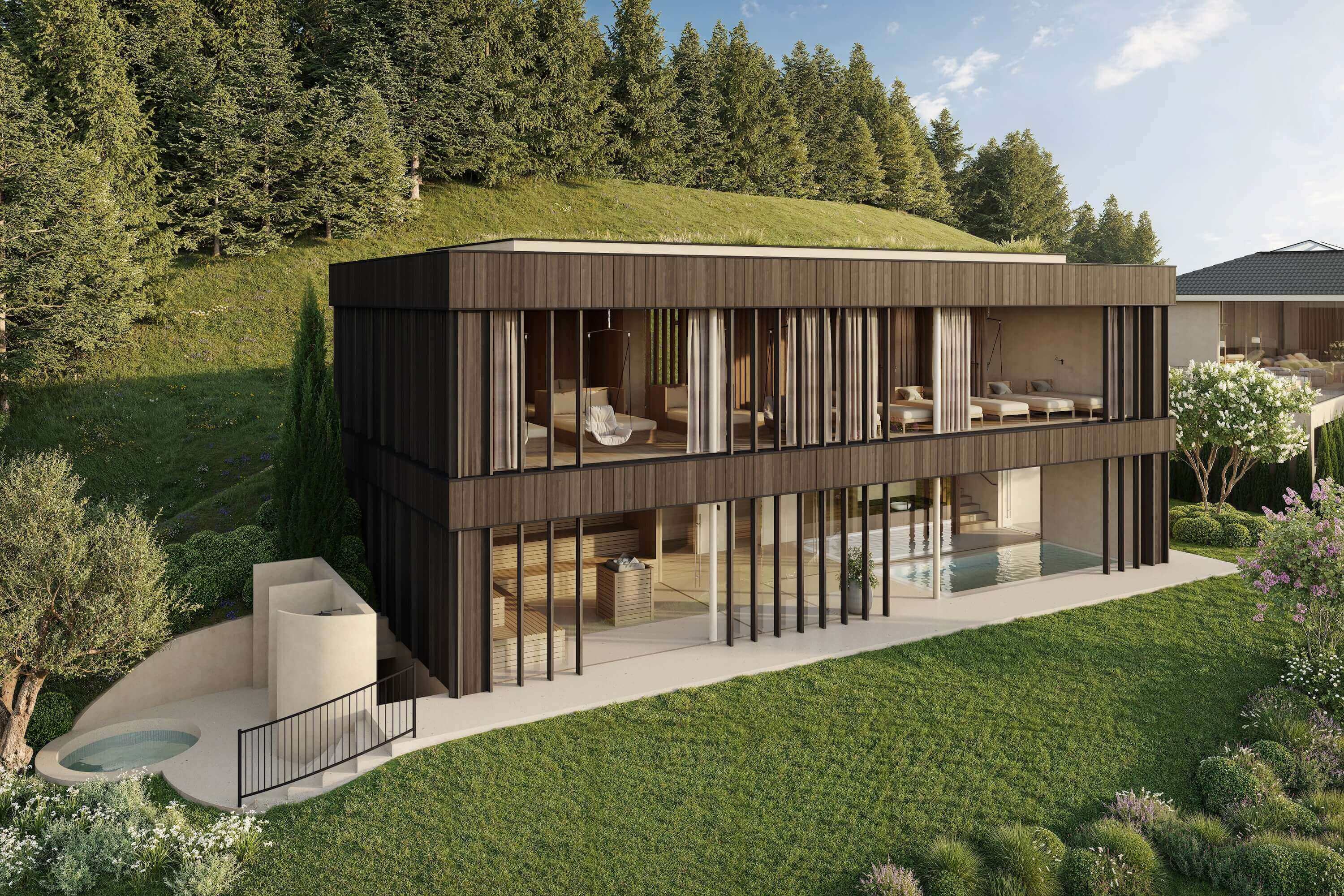
Regional understanding runs deeper than light. It includes Austrian and DACH buyer taste - restrained, quality-led and sceptical of anything that looks overhyped - plus practical fluency with Einreichung requirements, local building conventions and the materials people here actually expect to see. A provider based in or close to the DACH region, working in your language and time zone, removes a layer of friction that offshore studios rarely overcome.
Alpine light is a skill. The sharp mountain sun of Tyrol and the soft haze of a South Tyrol valley behave nothing like generic studio lighting. Ask to see local exteriors before you trust a provider with yours.
How to score and compare providers
Turn these seven criteria into a simple scorecard. Give each provider a rating from one to five on every criterion, then add up the totals. This forces you past the seductive hero shot and onto the factors that actually predict a good outcome - consistency, sector fit, communication and regional feel. Weight the criteria that matter most to your project: a hotel developer will lean on sector experience and atmosphere, while a Bauträger racing to an Einreichung deadline will weight timelines and local knowledge.
Two or three providers will usually rise to the top. Ask each for a detailed quote and, ideally, a small paid test - a single key image that lets you judge quality, communication and reliability before you commit the whole project. The studio that scores highest across all seven criteria, not the one with the single prettiest picture, is the one worth building a long relationship with.
"The cheapest quote and the best studio are almost never the same provider. Score the whole relationship, not one image."
Your next step
Finding the right visualization studio is not about chasing the flashiest render - it is about matching a proven, consistent partner to the specific demands of your project and your market. Run your shortlist through these seven criteria, score them honestly, and commission a test image before you commit. Do that, and you replace an expensive gamble with a confident, evidence-based decision. When you are ready to brief your chosen studio, start with our commissioning checklist and explore the full range of outdoor visualizations, indoor renderings and aerial visualizations a strong partner should deliver.

Sell Faster. Impress More. Close Deals with Stunning Architectural Renderings.
Join top real estate professionals and developers using high-end visualizations to attract buyers and close deals with confidence.