A static rendering shows a moment. A CGI animation tells a story. For architectural projects competing for attention - whether from investors, municipal councils, or end buyers - a professionally produced project film can be the difference between approval and rejection, between sold-out and stagnant. But what does a CGI animation for architecture actually cost, and when is the investment worth it? This guide answers both questions with real numbers from the DACH market.
Quick numbers: A 30-60 second CGI architecture animation typically costs EUR 3,000-8,000 in the DACH market. Full cinematic project films (2-3 minutes) range from EUR 8,000-25,000 depending on complexity, camera movements, and post-production requirements.
What Is a CGI Architecture Animation?
A CGI (Computer Generated Imagery) animation for architecture is a digitally produced film that shows a building or development in motion. Unlike static renderings, animations guide the viewer through a project - flying over rooftops, walking through corridors, transitioning from day to night, or revealing interior spaces one by one.
The technology behind these animations is the same used in Hollywood visual effects and video game cinematics, adapted for architectural storytelling. Modern render engines like V-Ray, Corona, and Unreal Engine can produce photorealistic sequences that are virtually indistinguishable from drone footage of completed buildings. For a deeper look at the technology, see our render engine comparison.
The key formats used in the DACH market include flythrough animations (exterior camera paths around and over a building), walkthrough animations (interior first-person perspective), cinematic project films (combining multiple angles with music, text overlays, and transitions), and turntable animations (rotating views of a building model).
How Much Does a CGI Architecture Animation Cost?
Pricing for CGI animations varies more widely than for static renderings, because the production process involves significantly more variables. Here is a realistic breakdown for the Austrian and German market in 2026.
Short Flythrough (15-30 seconds)
A short exterior flythrough showing a building from multiple angles with basic camera movement costs EUR 2,000-5,000. This is the entry point for developers who want motion content for social media ads or website hero sections. The 3D model is typically simpler, the camera path straightforward, and post-production minimal.
Standard Project Animation (30-90 seconds)
The most common format for developer marketing combines exterior and interior views, time-of-day transitions, and professional audio. Costs range from EUR 5,000-12,000. This format works well for project websites, sales presentations, and YouTube marketing. It typically includes 2-3 revision rounds and basic motion graphics for text overlays.
Cinematic Project Film (2-3 minutes)
A full cinematic production tells the complete story of a development - from neighborhood context to building design to interior lifestyle. These films include professional voiceover, custom music licensing, advanced camera choreography, and extensive post-production. Budget EUR 12,000-25,000 for this level. Large Austrian Bauträger and international hotel brands commission these films for flagship projects.
"We invested EUR 15,000 in a cinematic project film for a 45-unit residential development in Graz. The film was used across every marketing channel - from the project website to social media to the sales office screen. Within three months, 60% of the units were reserved. The film paid for itself many times over."
What Drives Animation Costs Up or Down?
Understanding the cost drivers helps you optimize your budget without compromising quality.
Duration is the most obvious factor. Every additional second of animation requires more rendering time, more camera path development, and more frames to review. A 30-second animation might render in 24-48 hours. A 3-minute film could require a full week of render farm time.
Scene complexity directly affects modeling and rendering time. A single building on a flat site costs far less to animate than a mixed-use development with underground parking, rooftop gardens, interior spaces, and surrounding cityscape. Each additional environment detail adds hours of production time.
Camera movements range from simple (a straight flythrough) to complex (sweeping crane shots that transition from exterior to interior through a window). Complex camera choreography requires more technical expertise and more revision cycles to get right.
Post-production quality includes color grading, motion graphics, text overlays, music licensing, voiceover recording, and sound design. A basic animation with stock music and simple titles costs significantly less than a fully produced film with custom audio production.
Render quality matters more in animation than in still images, because any inconsistency - flickering light, floating objects, texture pop-in - becomes immediately visible in motion. High-quality animation rendering requires more compute time and more quality control, which adds to the cost.
Real-time alternatives: Unreal Engine and other real-time render engines have made shorter animations more affordable. For social media clips and website backgrounds, real-time animations can cost 30-50% less than traditional offline-rendered sequences while delivering impressive visual quality.
When Does a CGI Animation Make Sense?
Not every project needs an animation. Here is when the investment is clearly justified.
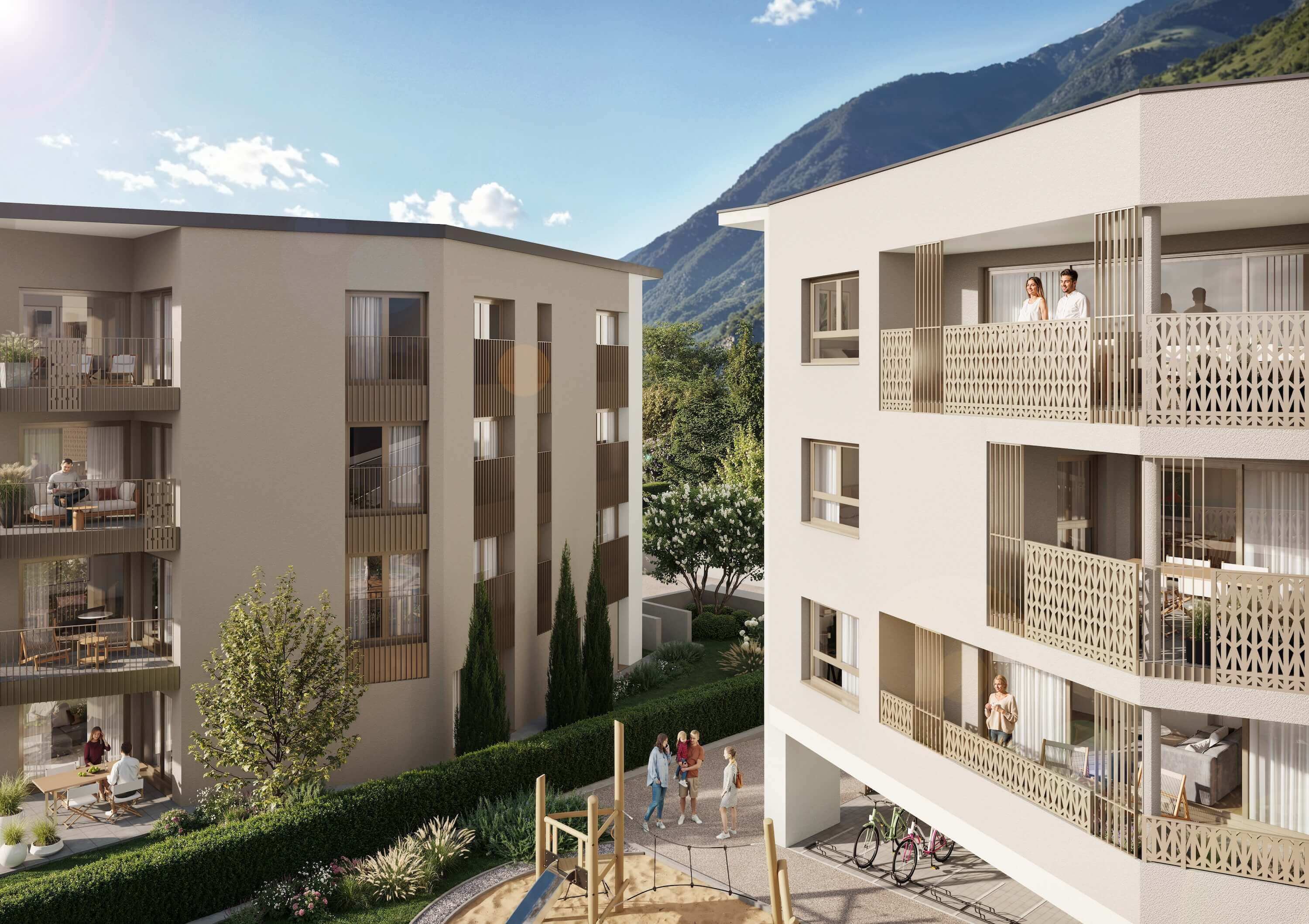
Large residential developments (20+ units) benefit enormously from project films. The animation serves as the centerpiece of the marketing campaign, working across website, social media, sales office presentations, and investor pitches. When the visualization cost is spread across dozens of units, the per-unit investment is minimal.
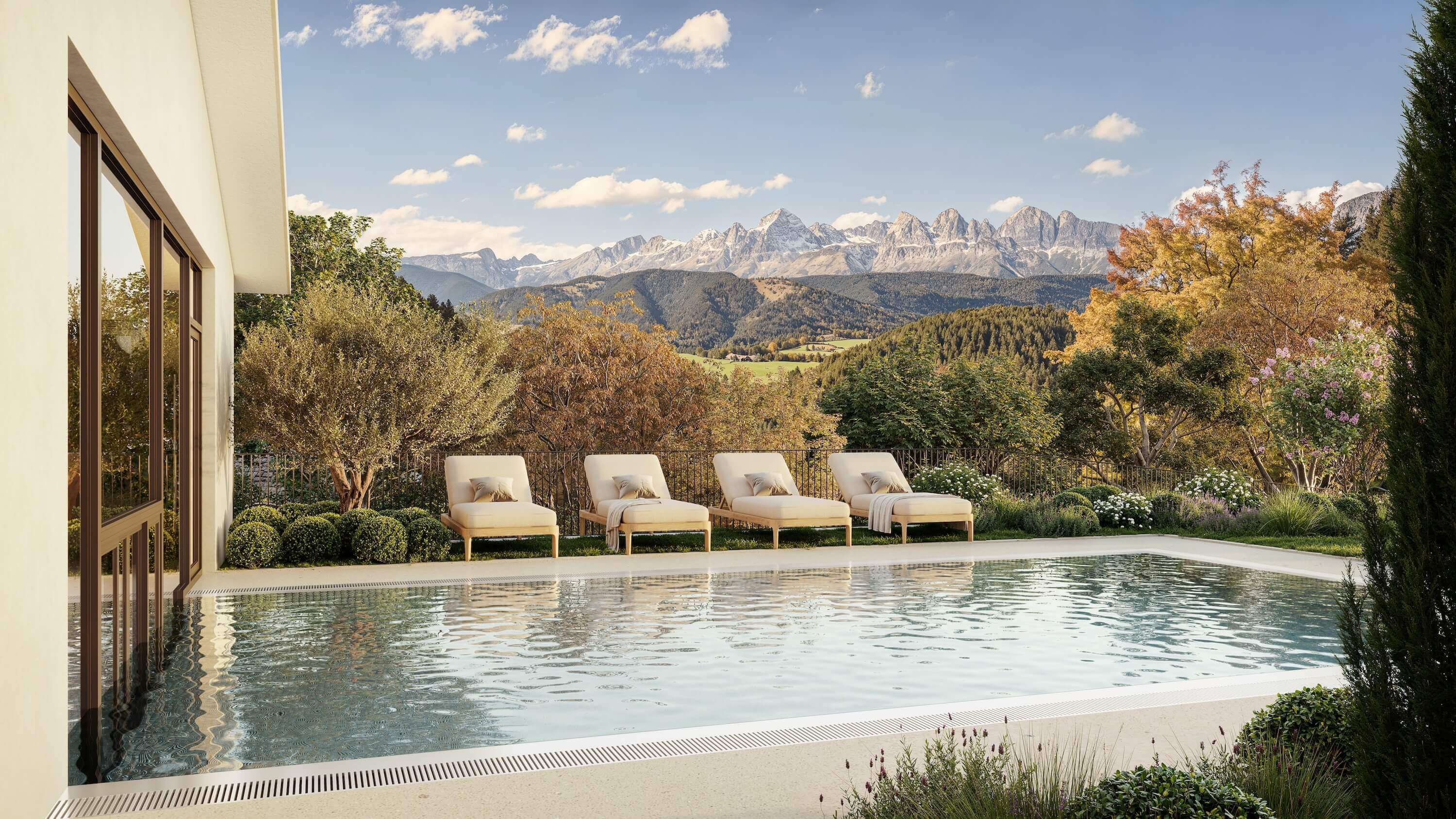
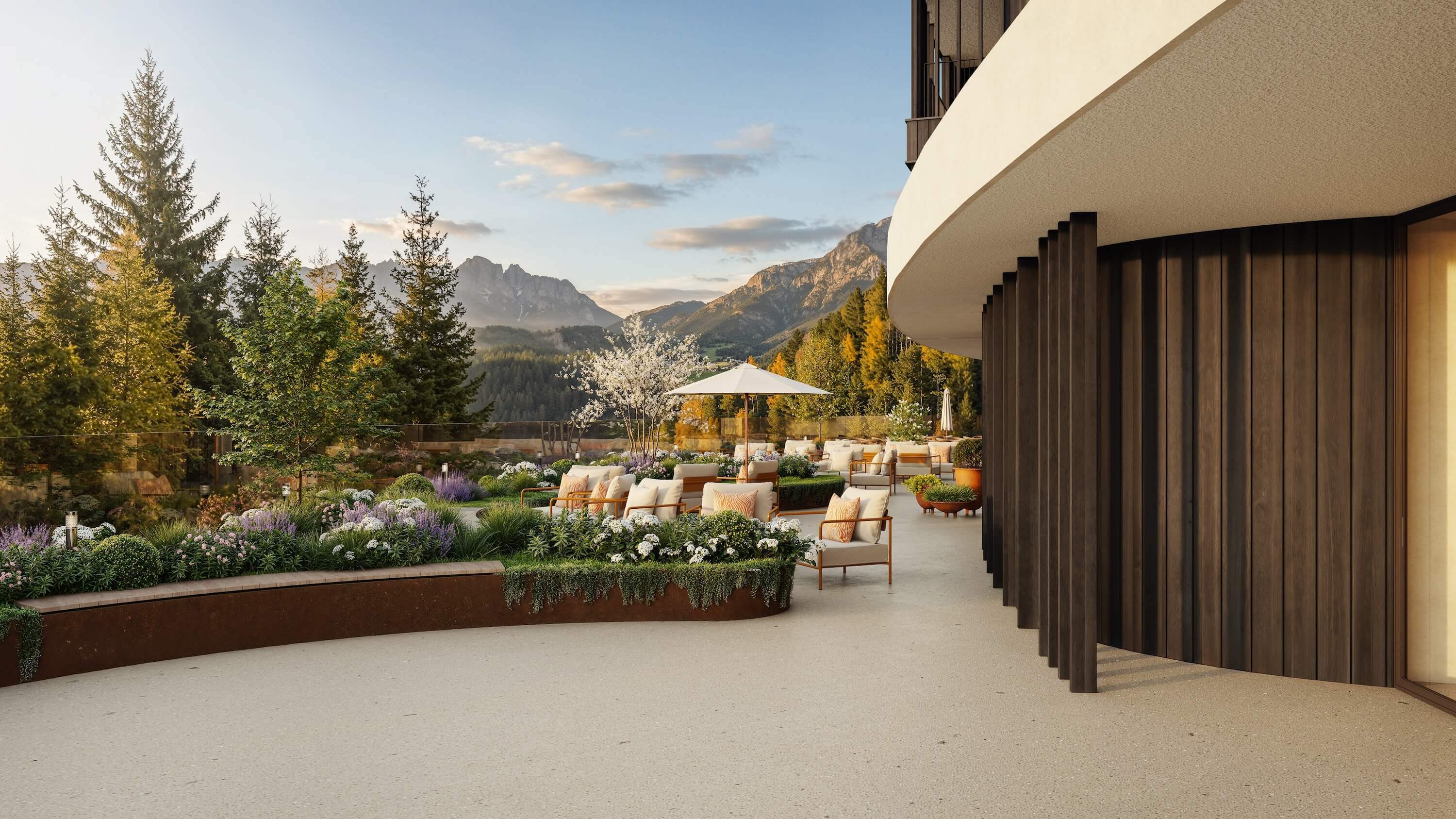
Hotel and tourism projects in the DACH region are natural candidates for CGI animation. A film that shows guests moving through a lobby, relaxing on a terrace with mountain views, or enjoying a spa sequence communicates an experience that photos of construction sites cannot. Alpine hotel developers in Tyrol and South Tyrol have been early adopters of this format.
Municipal approval processes increasingly benefit from animation. When presenting a project to a building commission or public consultation, a walkthrough animation makes the project accessible to non-technical audiences. Council members and neighbors can understand spatial relationships, building heights, and environmental impact in ways that floor plans and elevations cannot convey.
Investor presentations use CGI animations to build confidence and excitement. A well-produced project film signals professionalism and project maturity, which can be decisive when competing for funding.
The Production Process: What to Expect
A professional CGI animation follows a structured production process, similar to filmmaking.
Pre-production (Week 1-2): Storyboarding, camera path planning, style references, and briefing alignment. This is where the creative direction is established. Good pre-production saves significant time and money later. Studios will present a storyboard or animatic (rough animation) for approval before proceeding to full production.
3D Production (Week 2-4): Building the 3D scene, applying materials and textures, setting up lighting, and creating camera animations. If static renderings already exist from the same project, studios can reuse the 3D model, which reduces costs by 20-40%.
Rendering (Week 4-5): The animation is rendered frame by frame. At 25-30 frames per second, a 60-second animation requires 1,500-1,800 individual frames - each one essentially a high-resolution rendering. This is where render farm capacity becomes crucial.
Post-production (Week 5-6): Color grading, compositing, adding motion graphics, music, voiceover, and sound effects. The final film is delivered in formats optimized for each use case - 4K for presentations, compressed versions for web, vertical formats for social media.
Total timeline: 4-8 weeks from briefing to final delivery, depending on complexity. For planning your project, our timeline guide provides detailed breakdowns.
CGI Animation vs. Drone Footage: Which Is Better?
For completed buildings, drone footage is often the more cost-effective choice. But for projects in the planning or construction phase - which is when most marketing happens - CGI animation is the only option that shows the finished result.
The advantages of CGI over drone footage include complete creative control (impossible camera angles, perfect weather, ideal lighting), the ability to show interior spaces seamlessly, time-of-day and seasonal transitions, and the option to visualize landscaping and amenities that do not yet exist. For a broader comparison between rendered and photographic visuals, see our rendering vs. photography comparison.
"We used to wait until construction was 80% complete to start marketing with drone footage. Now we launch campaigns with CGI animations months before construction starts. The earlier marketing start has cut our average sales cycle by four months."
Getting the Best Value from Your Animation Budget
To maximize your return, consider these strategies used by experienced DACH developers.
Combine with static renderings. If you order an animation alongside exterior renderings and interior renderings, the studio can reuse the 3D scene - saving you 20-40% on the combined project. Many studios offer visualization packages that include a short animation alongside still images.
Plan for multiple formats. A single animation production can yield content for your website hero section (looping background video), YouTube (full project film), Instagram/TikTok (vertical excerpts), sales presentations (extended cut with voiceover), and even 360-degree virtual tour integration. Brief your studio on all intended uses upfront so they can plan camera paths and formats accordingly.
Start with a storyboard. Investing time in pre-production storyboarding reduces expensive changes during production. Approve the camera path, timing, and content structure before rendering begins. Changes after rendering are 5-10x more expensive than changes during storyboarding.
Whether you are planning a landmark residential development, a boutique hotel, or an industrial campus - a CGI animation transforms your project from a concept into an experience that buyers, investors, and approval bodies can feel.

Sell Faster. Impress More. Close Deals with Stunning Architectural Renderings.
Join top real estate professionals and developers using high-end visualizations to attract buyers and close deals with confidence.