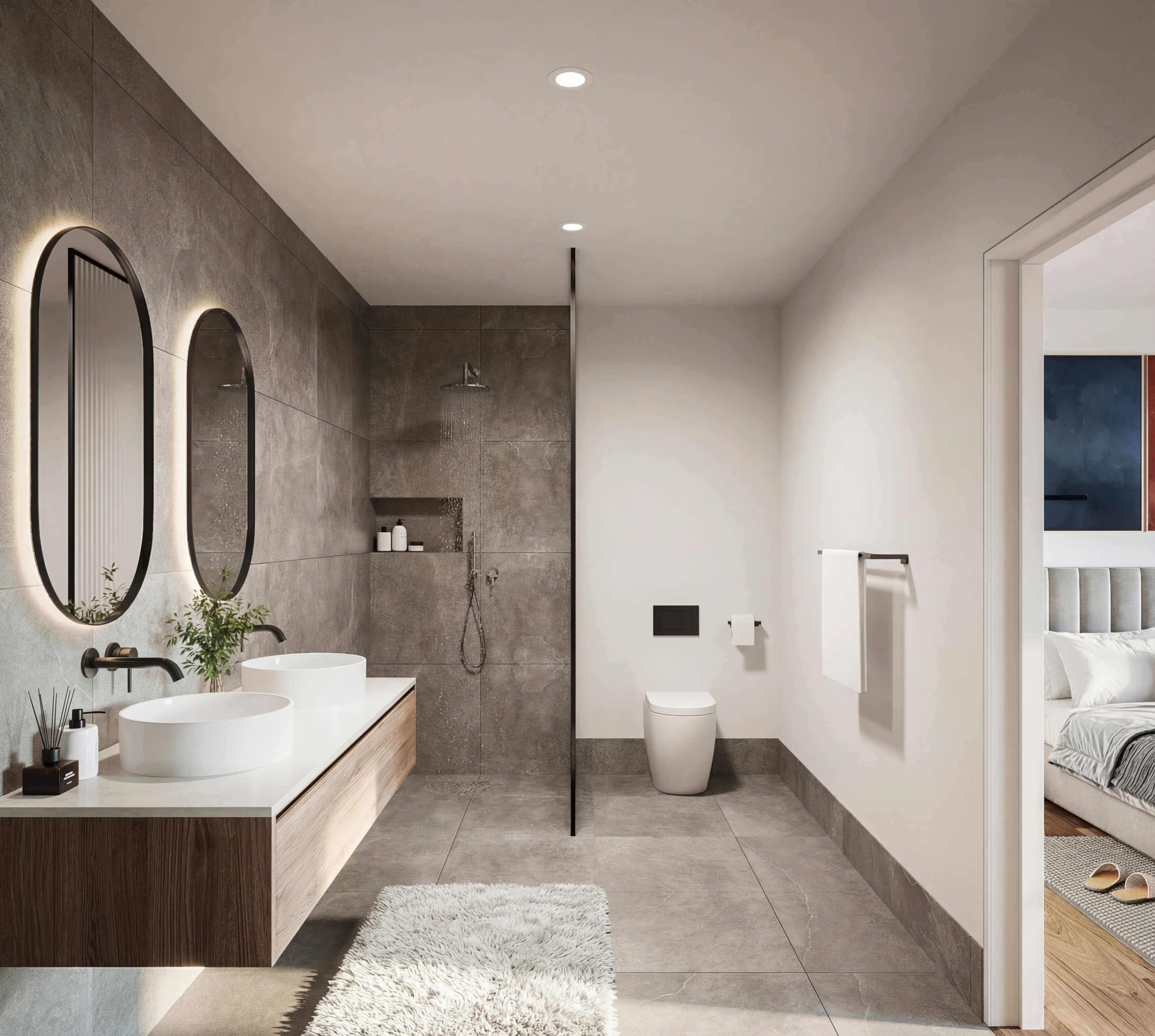
Should you hire a photographer or commission 3D renderings for your property marketing? It is one of the most common questions in real estate development and sales - and the answer is more nuanced than most people think. Both approaches have distinct strengths, cost structures, and use cases. In this comparison, we analyze when 3D rendering outperforms photography, when photography wins, and why the smartest operators in the DACH market often use both.
The short version: 3D rendering is essential for off-plan properties and new developments that do not yet exist. Photography excels for completed buildings with attractive existing interiors. The highest-performing listings in the DACH market use a strategic combination of both.
The Fundamental Difference
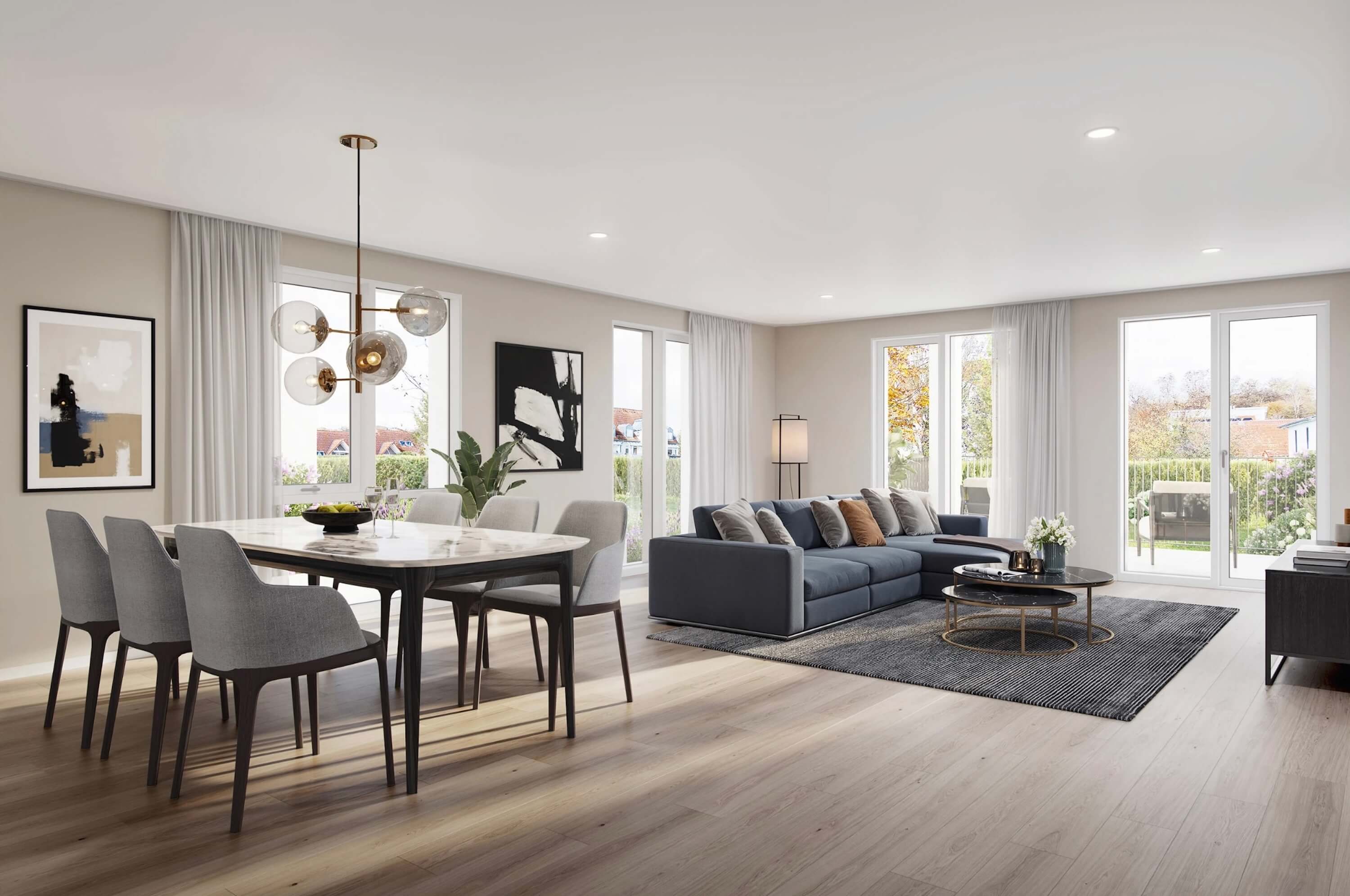
The core distinction is simple but decisive: photography captures what exists, while 3D rendering creates what does not yet exist - or what could exist. This fundamental difference drives every other comparison point.
For a completed, furnished property, a skilled photographer can capture the real atmosphere, textures, and light in ways that feel authentic and trustworthy. For an unbuilt development, a construction site, or an empty space that needs to be shown furnished, 3D rendering is the only viable option for creating compelling marketing visuals.
But the comparison goes deeper than timing. Even for properties that exist, there are scenarios where 3D rendering delivers better results than photography - and vice versa. Understanding these scenarios is key to making the right investment decision.
Cost Comparison: What Do You Actually Pay?
Let us start with the numbers. Costs vary across the DACH market, but here are realistic ranges for professional-quality deliverables in 2026.
| Service | Price Range (Austria) | Turnaround | Best For |
|---|---|---|---|
| Professional Photography | EUR 200-800 per session | 1-3 days | Completed properties |
| Exterior 3D Rendering | EUR 600-3,500 per image | 1-3 weeks | Unbuilt projects |
| Interior 3D Rendering | EUR 300-2,500 per image | 1-3 weeks | Empty or unbuilt spaces |
| Virtual Staging | EUR 50-300 per image | 1-5 days | Existing empty rooms |
| Drone Photography | EUR 300-1,200 per session | 1-3 days | Completed buildings, context |
On a per-image basis, photography appears cheaper. But this comparison misses a critical point: photography requires the property to be finished, furnished, and in optimal condition. The cost of staging a property for photos - furniture rental, styling, cleaning - can add EUR 2,000-8,000 to the photography budget for a premium project. Suddenly, the cost gap narrows significantly.
When 3D Rendering Wins
There are clear scenarios where 3D rendering is the superior choice - or the only viable one.
Off-Plan and Pre-Construction Marketing
This is the most obvious case. When a building does not exist yet, you cannot photograph it. 3D renderings allow you to create marketing materials months or even years before completion. For Bauträger selling off-plan apartments, this is not optional - it is essential. The ability to show buyers exactly what they will get, from exterior views to furnished interiors, drives the pre-sale process that defines project success.
Perfect Conditions, Every Time
Photography depends on weather, time of day, season, and the current state of the property and its surroundings. A rendering gives you perfect golden hour lighting, lush green landscaping (even in November), clean streets, and the ideal angle - with no scaffolding, construction vehicles, or bad weather. For marketing materials that need to look their absolute best, renderings deliver consistent perfection.
Showing Potential, Not Current State
A property that is empty, outdated, or undergoing renovation photographs poorly. But a rendering can show the same space transformed - with new materials, modern furniture, and professional lighting. This is especially valuable for renovation projects and virtual staging scenarios where the current state does not reflect the property's potential.
"We had a beautiful apartment with terrible current furniture. Photography would have shown a great space undermined by dated interiors. A 3D rendering showed the same apartment with contemporary styling - and it sold within two weeks of listing."
When Photography Wins
Photography has its own advantages that renderings cannot fully replicate.
Authenticity and Trust
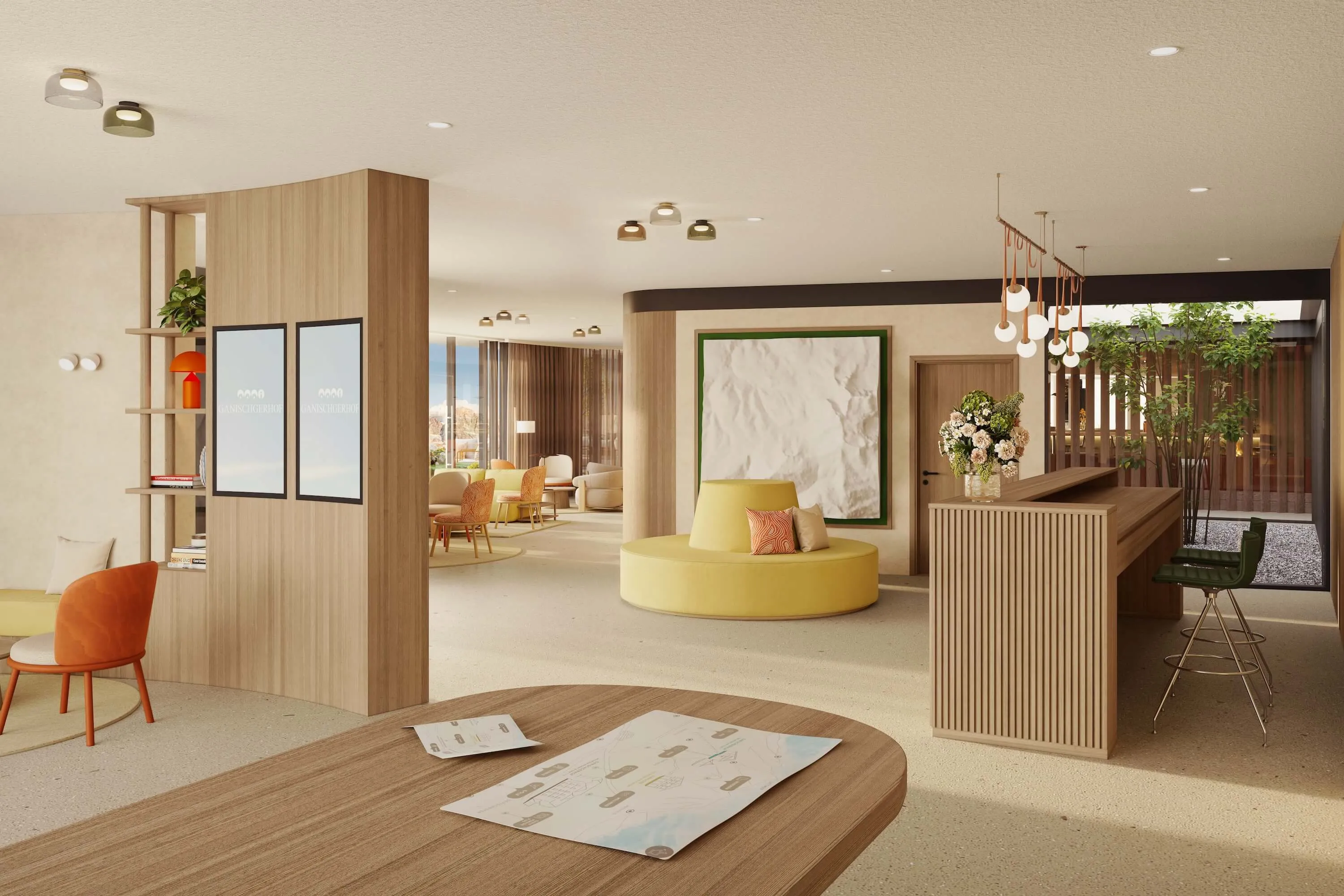
Buyers know what a photo is. They trust photographs as representations of reality in a way that renderings sometimes struggle to match. A beautifully photographed existing property communicates "this is real, this is available, this is what you get" in a way that builds immediate trust. For existing properties in good condition, this authenticity is a significant advantage.
Speed and Simplicity
A photographer can shoot a property in 2-4 hours and deliver edited images within 1-3 days. A rendering project typically requires 1-3 weeks from briefing to final delivery. When speed matters - for urgent listings or time-sensitive sales - photography is the faster option.
Cost for Existing Properties
For a property that is already finished and furnished, professional photography at EUR 200-800 per session is more cost-effective than commissioning renderings. The math changes for empty or unfinished properties, but for move-in-ready homes, photography usually wins on cost.
Unique Textures and Details
Real materials have subtle imperfections, aging patterns, and textural nuances that are difficult to replicate digitally. A hand-laid stone wall, a weathered wooden beam, or antique tiles photograph with an authenticity that adds character and charm. For properties where these details are selling points, photography captures them better.
The Smart Approach: Combining Both
The most successful developers and agents in the DACH market do not choose between rendering and photography - they use both strategically at different stages of the property lifecycle.
Phase 1 - Pre-construction: 3D renderings and animations for marketing launch, investor presentations, and initial sales. This is where exterior visualizations, interior renderings, 3D floor plans, and virtual tours deliver maximum impact.
Phase 2 - Construction: Construction progress photos combined with renderings showing the finished state. This combination reassures buyers who have already committed and continues to attract new prospects.
Phase 3 - Completion: Professional photography of the actual building and show apartments, potentially supplemented by renderings for unfurnished units. Drone photography captures the building in its real context.
This phased approach ensures you always have the best visual materials available for your current marketing needs, without over-investing at any single stage. For a deeper exploration of this topic, see our dedicated rendering vs. photography comparison.
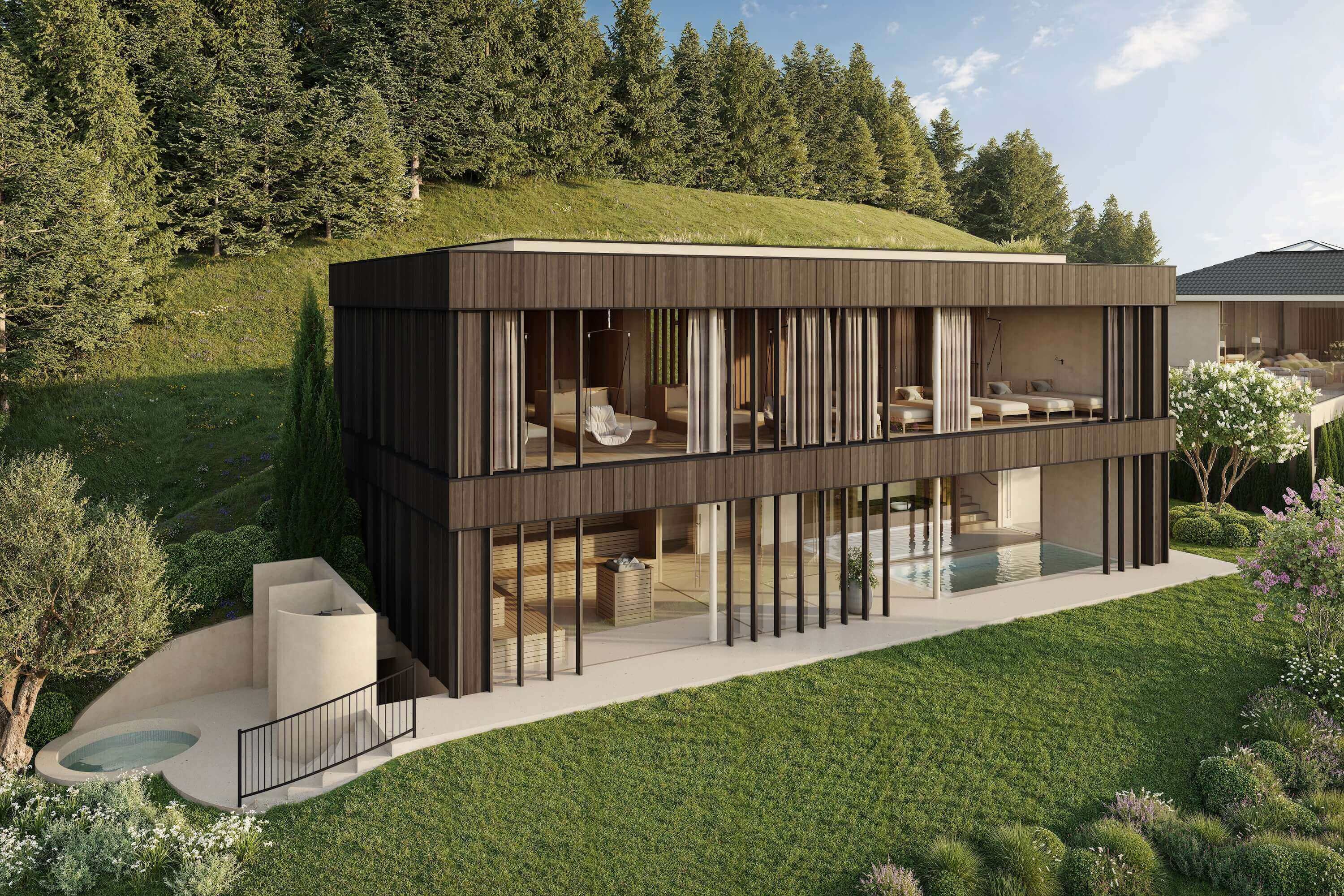
Pro tip: When transitioning from renderings to photography, use the same visual language. Ask your photographer to reference the rendering compositions - similar angles, similar lighting mood, similar styling. This creates visual continuity across your marketing materials.
What About AI-Generated Images?
With the rise of AI image generation tools, a new option has entered the conversation. While AI tools can produce impressive images quickly and cheaply, they have significant limitations for professional real estate marketing in 2026.
AI-generated images lack the precision required for architectural visualization. They cannot accurately represent specific floor plans, exact material choices, or precise building proportions. For marketing materials that make implicit promises to buyers about what they will receive, this imprecision creates legal and ethical risks.
Professional 3D rendering, by contrast, works from actual architectural data - floor plans, elevations, material specifications - ensuring that every visual accurately represents the planned building. This accuracy is not just a quality issue; in the DACH market, consumer protection regulations mean that marketing materials must truthfully represent the product being sold.
The Bottom Line for Property Professionals
The rendering vs. photography debate is not really about choosing one over the other. It is about understanding which tool is right for each situation.
If you are a Bauträger developing new residential or commercial properties, 3D rendering is your primary marketing tool from day one. Photography supplements later.
If you are an Immobilienmakler selling existing properties, photography is your foundation - supplemented by virtual staging for empty spaces and renderings for renovation potential.
If you are developing a hotel or tourism project, CGI animation and renderings drive investor presentations and pre-opening marketing, while photography takes over once the property opens.
Whatever your situation, the investment in quality visual materials - whether rendered or photographed - consistently delivers measurable returns through faster sales, higher prices, and more efficient marketing. The key is matching the right tool to the right moment.


Sell Faster. Impress More. Close Deals with Stunning Architectural Renderings.
Join top real estate professionals and developers using high-end visualizations to attract buyers and close deals with confidence.